Limón Cruise Port Guide: Wildlife, Bananas, and the Real Costa Rica
Jun 04, 2026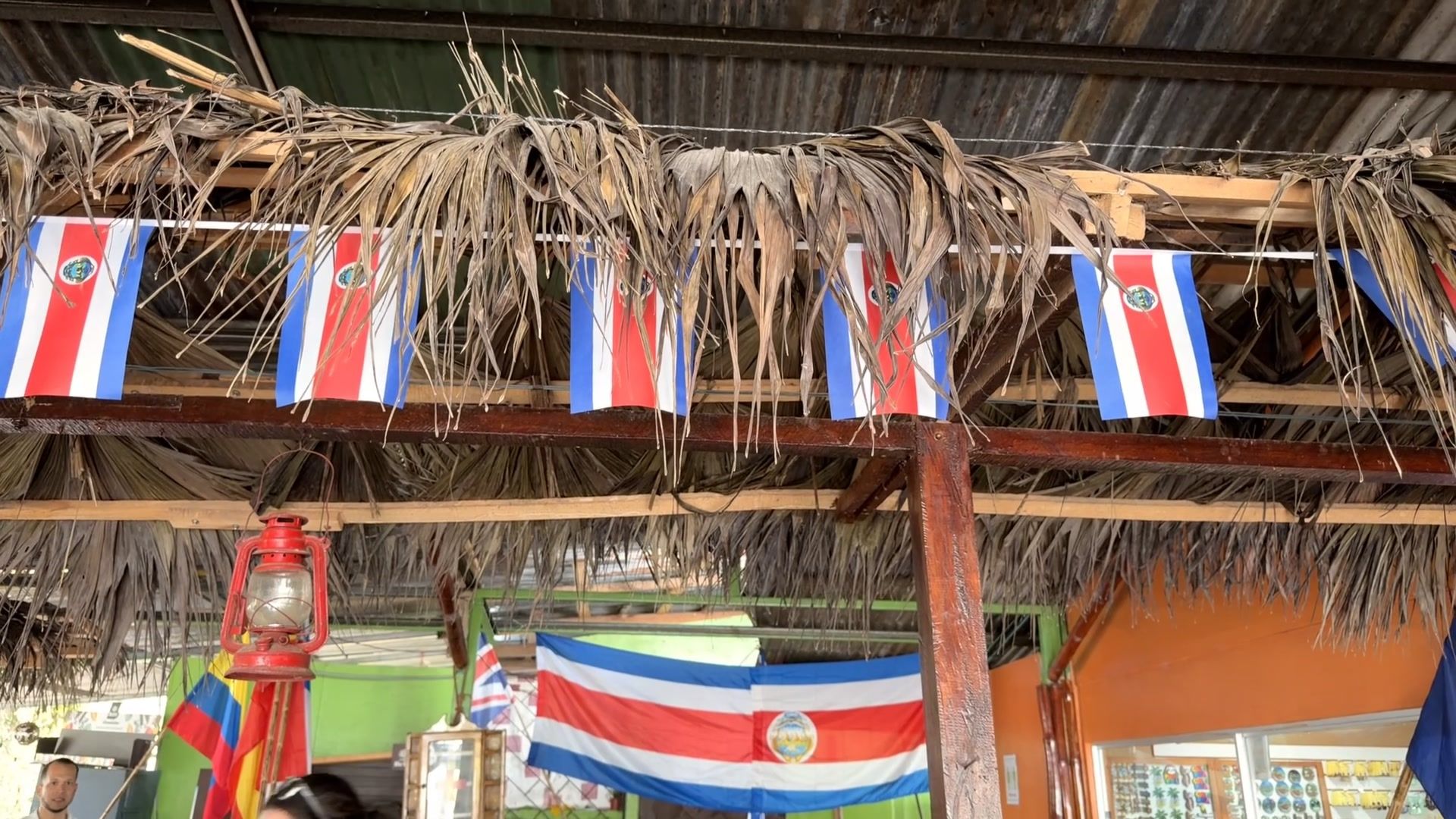
Published June 2026
The Limón cruise port (also written as Puerto Limon) is Costa Rica's only Caribbean-side cruise port, and it is unlike almost any other port you'll visit on a Caribbean itinerary. This is not a beach-and-shopping port. This is not a "get off the ship and wander" port.
Limón is a port where the magic happens after you leave the terminal, and if you plan your day right, it can be one of the most memorable stops on your entire cruise.
Costa Rica holds deep personal significance for me. The first time I ever got a passport was in my 30s, specifically so I could take a land-based trip to Costa Rica. That trip was not a cruise, and it fundamentally changed me. The Pura Vida mindset, this idea of worrying less, living more freely, and stopping the need to control everything, reshaped how I viewed life. Returning years later, this time by cruise ship and to a completely different part of the country, felt full circle. So trust me when I say: do not skip this port.
Limón is a frequent stop on Panama Canal cruise itineraries, often paired with Colon, Panama and Cartagena, Colombia. If your sailing also includes a canal transit, my Panama Canal cruise guide breaks down exactly what to expect onboard.
- Bottom line: Limón is a port where what you do after you leave the terminal matters far more than the terminal itself. Plan ahead and get out into the country.
- Best way around: a private driver. I used Danny, who serves both of Costa Rica's cruise ports, and it cost us less per person than a cruise line excursion would have.
- Top experience: a Tortuguero canal wildlife cruise. Sloths, monkeys, caimans, iguanas, and tropical birds from a low-riding boat.
- Wildlife: we spotted sloths less than 10 minutes after leaving the terminal, both two-toed and three-toed side by side.
- Not a beach port: if a killer beach day is the priority, save it for another stop on your itinerary.
- Buy coffee smart: Costa Rican coffee is excellent, and a local grocery store beats tourist shops and plantation gift shops on price.
- About the Limón Cruise Port
- Limón Cruise Port at a Glance
- Getting Around the Limón Cruise Port
- Fun Fact: A Major Fruit Export Hub
- Why a Private Driver Is the Best Way to See Limón
- Currency, Language, and Tipping in Limón
- Wildlife Near the Limón Cruise Port
- Top Things to Do Near the Limón Cruise Port
- Banana Plantations and Agricultural Tours
- Beaches Near the Limón Cruise Port
- Food and Drink Near the Limón Cruise Port
- Excursions From the Limón Cruise Port
- Limón Cruise Ship Schedule
- Climate and What to Wear in Limón
- Time Zone in Limón
- Sample Port Day Itineraries
- Visiting a Local Grocery Store in Limón
- What You Can (and Cannot) Bring Back to the Ship
- Fun Fact: Sloths Are a National Symbol
- Limón Cruise Port FAQs
About the Limón Cruise Port
What to Expect at the Limón Cruise Terminal
Cruise ships dock at the Hernán Garrón Salazar passenger terminal in Puerto Limón, which sits within the larger commercial port. The terminal was refurbished in 2019, and the Costa Rican government announced additional redesign plans in early 2025 to improve the visitor experience.
That said, the terminal itself is still pretty bare bones. There's not much there beyond the basics, and you should not expect a Cozumel-level port experience with shops and restaurants lining a walkway.
What's Outside the Puerto Limón Cruise Port
Outside the terminal, you'll find local musicians, plenty of vendors actively selling transportation and tour services, and a small market near the terminal exit. The area immediately surrounding the cruise port is industrial and not particularly tourist-friendly.
There's no central attraction area, no charming shopping district, and nothing that naturally pulls you in to explore. A few small coffee shops and casual local restaurants are nearby, but this is not a port where you casually stroll and see what you find.
Walking to Downtown Limón From the Cruise Port
The city center of Puerto Limón is only about 250 yards from the cruise pier, so it is technically walkable. Parque Vargas, a waterfront park with tall palms and tropical plantings, is immediately to the right as you exit the port. Some cruisers have reported spotting sloths and owls in the park's trees.
But to be direct: Limón is a port where what you do after you leave the terminal matters far more than the terminal itself. The real Costa Rica starts when you get in a vehicle and head into the countryside, the rainforest, or along the coast.
Limón Cruise Port at a Glance
Here's a quick snapshot of what to expect at the Limón cruise port.
- Port name: Puerto Limón (Hernán Garrón Salazar Terminal)
- Ships: typically accommodates 2 to 4 cruise ships at a time
- Docking: ships dock at a dedicated cruise pier (no tendering)
- Distance to city center: about 250 yards, a 5-minute walk
- Wi-Fi: available at the cruise terminal (reported as slow)
- ATMs: not inside the terminal, but available in the city center nearby
- Currency: Costa Rican colón; USD widely accepted
- Language: Spanish, Limonese Creole, and English widely spoken in tourist areas
- Key facilities: small market near terminal exit, local tour vendors, musician performances
Getting Around the Limón Cruise Port
Transportation at the Limón Cruise Terminal
Limón does not leave cruisers stranded. There are plenty of vendors right outside the cruise terminal offering transportation, shared vans, taxis, and excursions. You can absolutely book something on site.
Local tour operators like Caribe Tico, Blue Limbo, and Mambo Tours maintain desks inside the terminal. They offer tours to the Tortuguero Canals, banana plantations, the Rainforest Aerial Tram, Cahuita National Park, and more.
Booking Limón Excursions in Advance vs. On Site
Booking in advance is still the better move, especially if you care about how your day actually unfolds. On-site options tend to funnel cruisers into pre-set routes with little flexibility.
You're often joining something structured where stops, timing, and pacing are already decided for you. That works fine for cruisers who just want to be told where to go, but it limits how much you can really experience.
Taxis and Rideshares in Puerto Limón
Uber and Lyft are not reliably available in Limón. Your transportation options are taxis, shared vans and minibuses, cruise line excursions, independent tour operators, or a private driver.
Official taxis in Puerto Limón are red, and you'll find Taxi Union representatives inside the terminal with posted prices. As a general guide, here is what to expect for common destinations.
| Destination | Approximate fare |
|---|---|
| Playa Bonita | ~$10 per person |
| Tortuguero Canal tour | ~$30 to $40 per person |
| Cahuita National Park | ~$20 to $40 per person |
| Rainforest Aerial Tram | ~$30 to $40 per person |
| Custom tour (by the hour) | ~$20 to $30 per hour |
Official Puerto Limón taxis are red; look for the Taxi Union desk inside the terminal with posted prices. Fares above are per person, negotiable later in the day, and should be agreed before you get in. Confirm current rates at the terminal.
For any location beyond walking distance, you will need some form of arranged transportation. This is not a port where you can easily explore independently on foot.
If you're new to how cruise port days work, I have a full breakdown in my port day guide that covers everything from disembarkation to getting back to the ship on time.
Fun Fact: Costa Rica Is One of the World's Largest Fruit Exporters
When you dock at the Limón cruise port, take a look around at the rest of the port beyond the cruise terminal. You'll see cargo containers, loading equipment, and commercial shipping infrastructure everywhere. That's because you're literally docking at one of the world's major fruit export hubs.
Costa Rica is the largest exporter of pineapples in the entire world and the third-largest exporter of bananas. Together, pineapples and bananas account for roughly 13% of all Costa Rican exports, and much of that product ships out of the Port of Limón and the nearby Moín container terminal.
Other major exports include sugar, coffee, and beef, much of it transported in temperature-controlled refrigerated containers. The port's commercial operations have expanded significantly in recent years, with the container terminal now capable of handling over a million containers annually.
So while you're strolling off a cruise ship in flip-flops, just a few hundred yards away, millions of bananas and pineapples are being loaded onto cargo ships headed for grocery stores across North America and Europe. It's a good reminder that Limón is a working port first and a cruise destination second.
Why a Private Driver Is the Best Way to See Limón
Private drivers work exceptionally well in Limón, and they are surprisingly affordable. I booked a private driver named Danny, who serves both of Costa Rica's major cruise ports: Limón on the Caribbean side and Puerto Caldera on the Pacific side. In our case, hiring Danny cost us less per person than a cruise line excursion would have.
To put that in perspective: a cruise line excursion would have put us on a large coach bus with around 40 to 50 other people, all strangers. We would have had zero control over where we stopped, when we stopped, or how long we stayed anywhere. You move when the group moves. You leave when the schedule says you leave.
With Danny, we went entirely at our own pace. When we felt done at a site, we moved on. When something unexpected caught our attention, like sloths in the trees along the roadside, we stopped. That level of control made a huge difference in how enjoyable and personal the day felt.
Danny tailors the day based on your timing, the weather, and your interests rather than forcing a fixed itinerary. He also came equipped with binoculars mounted on a tripod for wildlife spotting, which made an enormous difference. Some attractions in Limón, including the banana plantation and the riverboat tour, have separate admission fees, but in our case those fees were included in our private tour price. When planning independently, always confirm whether admission fees are included or paid separately.
I share my recommended private drivers for multiple ports, including Danny for Costa Rica, on my drivers page. If you prefer to explore the pros and cons of independent versus cruise line excursions, I have a dedicated post on that as well.
Currency, Language, and Tipping in Limón
Costa Rican Currency (the Colón)
The official currency of Costa Rica is the Costa Rican colón, named after Christopher Columbus (Cristóbal Colón in Spanish). The exchange rate fluctuates, but it generally hovers around 500 to 600 colones per $1 USD. The bills are actually gorgeous. They're made of plastic, come in different sizes, and feature Costa Rican wildlife like sloths, monkeys, and sharks. You can see examples on the Central Bank of Costa Rica website.
Paying with US Dollars in Costa Rica
The good news for American cruisers is that US dollars are widely accepted throughout Costa Rica, especially in tourist-facing areas. Tour operators, taxi drivers, restaurants, and shops near the port will happily take your dollars.
However, if you pay in USD, expect to receive your change in colones, often at a less-than-favorable exchange rate. Bills larger than $20 are often refused, so bring small denominations. Your bills also need to be in good condition, with no rips, tears, stains, or excessive wrinkles, or they may be rejected.
Why a Travel Credit Card Matters in Costa Rica
Credit cards are broadly accepted in Costa Rica, and I'd strongly recommend using a travel-specific credit card rather than a debit card. A good travel credit card typically offers no foreign transaction fees, fraud protection, and sometimes even travel insurance benefits. Using a debit card abroad can expose your checking account to foreign transaction fees and security risks that you don't want to deal with mid-cruise. If you don't already have a travel credit card, this is the one I recommend.
Language in Limón
The primary language in Limón is Spanish, but you'll also hear Limonese Creole, an English-based Creole language spoken by the Afro-Caribbean community that has deep roots here. For cruisers, the practical reality is that every vendor, tour operator, and driver I encountered in Limón was fluent in English, so communication was never an issue.
Tipping in Costa Rica
Costa Rican restaurants are required by law to include a 10% service charge and a 13% sales tax in the bill. Additional tipping beyond that is appreciated but not expected. For private drivers and tour guides, a tip of 10% or more is customary and very much appreciated, especially when they've gone above and beyond. You can tip in either USD or colones. For more on cruise tipping in general, including how much to tip excursion guides and drivers, check out my cruise tipping guide.
Wildlife Near the Limón Cruise Port
If there is one thing that makes the Limón cruise port stand out from nearly every other Caribbean port, it's the wildlife. Costa Rica is one of the most biodiverse countries on Earth, and the Limón province on the Caribbean coast is where you can experience that firsthand.
One of the most memorable moments of our entire day happened almost right away. Less than 10 minutes after leaving the cruise terminal, Danny pulled the car over because he spotted sloths in the trees along the roadside. This was not a planned stop. It was purely opportunistic, and this is exactly why a private driver with local knowledge matters so much here.
We were extremely lucky. We saw both two-toed sloths and three-toed sloths essentially side by side, which is noteworthy because these two species have very different habits. Costa Rica is home to two sloth species: Hoffmann's two-toed sloth and the brown-throated three-toed sloth. The three-toed sloth is diurnal (active during the day) and is the one with the famous "smiling" face and dark eye patches. The two-toed sloth is nocturnal and usually sleeping during daytime hours, which makes it much harder to spot. Seeing both together during a daytime outing was a genuine treat. The easiest way to tell them apart is to look at the front claws. Two-toed sloths have two claws on their front limbs, while three-toed sloths have three on all limbs.
Pro Tip
Bring binoculars. Danny had a pair mounted on a tripod, and instead of squinting at vague shapes in the trees, we got a clear, up-close view of the sloths. Without good viewing equipment, wildlife sightings from the ground can feel underwhelming.
Beyond the roadside sloths, Danny took us on a riverboat wildlife tour. The boats are small, sit low to the water, and typically hold around 30 people. We paid extra for a private tour, which was worth it. The boats are motorized and include a captain, and having Danny with us as an additional spotter and narrator meant we caught wildlife we would have otherwise missed. During our river cruise, we saw monkeys, caimans, birds, iguanas, and more sloths.
The Tortuguero Canals, part of Tortuguero National Park and often called "Costa Rica's Amazon," are one of the top wildlife viewing experiences accessible from the Limón cruise port, and multiple excursion operators offer canal tours.
Related: Watch my Costa Rica sloth spotting video on YouTube
Top Things to Do Near the Limón Cruise Port
The best things to do in Limón all involve getting out of the immediate port area and into the surrounding countryside, rainforest, or coastline. If you're wondering what things to do in Puerto Limón on a cruise, here are the top activities.
Tortuguero Canal Wildlife Cruise From Limón
This is the most popular excursion from the Limón cruise port, and for good reason. The canals wind through a protected biological reserve teeming with wildlife, including sloths, howler monkeys, caimans, toucans, iguanas, and tropical birds. Most tours last 1 to 2 hours on a covered motorized boat. If you book through a private driver or independent operator, you can often pair this with other stops for a full-day experience.
Banana Plantation Tours Near the Limón Cruise Port
Costa Rica's banana industry is a huge part of the local economy, and several plantations near the port operate as tourist attractions. These tours walk you through the growing process, show you different tropical plants and trees, and often include demonstrations of traditional sugar cane juice extraction and coffee sampling. More on this in the dedicated section below.
Rainforest Aerial Tram Near Puerto Limón
Located at a 1,000-acre nature reserve next to Braulio Carrillo National Park, the aerial tram is a converted ski-lift-style gondola that carries you silently through the rainforest canopy. It's one of the most unique ways to experience the biodiversity of Costa Rica's rainforests. Guides point out birds, butterflies, and plant life along the way.
Zipline Canopy Tours From Limón
For cruisers who want an adrenaline rush, zipline courses through the rainforest canopy are widely available from Limón. Multiple operators offer combo tours that pair ziplining with a canal cruise or plantation visit.
Cahuita National Park
About an hour south of the Limón cruise port, Cahuita National Park combines hiking trails through coastal rainforest with access to white sand beaches and one of the country's largest coral reefs. It's a great option for cruisers who want a nature and beach combo, though the drive time means you'll want a full-day plan. You can learn more at the Costa Rica National System of Conservation Areas (SINAC).
Veragua Rainforest Research and Adventure Park
This 3,200-acre nature reserve offers a mix of aerial tram rides, hiking, a butterfly garden, reptile exhibit, and canopy tours. It's a well-organized excursion option recognized by National Geographic.
Parque Vargas in Downtown Limón
If you want to stay close to the ship, Parque Vargas is a waterfront park right next to the port exit with tall palm trees, tropical plantings, and occasional sloth and bird sightings. It's not a destination excursion by any means, but it's a pleasant stop for cruisers with limited time or mobility.
If you're new to cruising and want more context on planning your port days, my Ultimate Guide to Cruising covers everything you need to know, including how to make the most of limited time in port.
Banana Plantations and Agricultural Tours in Limón
One of the most unique experiences available from the Limón cruise port is visiting the banana plantations that surround the area. Costa Rica is one of the world's top banana exporters, and you'll see the evidence of that industry everywhere once you leave the port, from vast stretches of banana plants along the roadside to cargo containers at the port itself.
On our visit, Danny drove us past a Del Monte banana plantation that was visible from the road but closed to the public. While we were there, a crop-dusting plane flew overhead. That was a stark reminder that Costa Rica's banana industry isn't all postcards and tropical vibes. The large-scale banana operations run by multinational corporations involve significant pesticide use, and the environmental and labor implications of industrial banana farming are well-documented concerns in the region. It's the kind of thing that adds context and complexity beyond a purely tourist experience.
We then visited a banana plantation that is no longer actively harvesting and now operates as a tourist attraction. The paths were flat, wide, and gravel-paved, making the site very easy to navigate, even for cruisers with mobility limitations. There's a large Puerto Limón mural near the entrance that makes for a great photo opportunity. Signage throughout the site identifies various plants and trees, including ackee (clearly marked as highly poisonous), cocoa trees, cacao plants, coconut palms, and jackfruit trees.
There was also a demonstration of how heavy bunches of bananas are transported using an overhead cable pulley system, a method that's still actively used in working plantations across the region. A local worker demonstrated traditional sugar cane processing, using a compression device to extract juice from fresh sugar cane stalks right in front of us. We tasted the sugar cane juice immediately, and it was unlike anything you'd find at home.
At the gift shop, free samples of Costa Rican coffee were available, and I found the coffee very strong but genuinely delicious. We also tried coquitos rellenos, which are coconut-based sweets filled with various ingredients, and they were quite good. It's worth noting that many cruise lines sell this banana plantation as a standalone excursion. While it was interesting, I would not personally recommend doing just this in Limón. It's better as one stop in a fuller day that includes the river cruise, wildlife spotting, and other experiences. A private driver or combo tour makes it easy to pair with other activities.
This is also a good place to talk about Costa Rica's relationship with coffee and chocolate. Costa Rica is one of the world's top coffee producers, and cacao (the raw ingredient in chocolate) has been cultivated here for centuries. If you're interested in bringing home some Costa Rican coffee, and you absolutely should because it's excellent, you'll find much better prices at a local grocery store than at tourist shops or plantation gift shops.
Beaches Near the Limón Cruise Port
I want to be upfront: Limón is not a beach port. If a killer beach day is your top priority, you'll have better options at other ports on your itinerary.
That said, there are beaches accessible from the Limón cruise port, and the most commonly visited is Playa Bonita, a local beach just a few minutes' drive from the port. I wanted to see a local beach, so Danny took us to Playa Bonita. Honestly, we did not have much time, and the weather was rainy and gray that day. There were no people in the water, so it's hard for me to evaluate how good this beach is under ideal conditions.
Because of that, I can't really speak broadly about Costa Rican Caribbean beaches based on this stop alone. Even so, I was glad we went. We saw the coastline, walked on the sand, and experienced a Caribbean-side Costa Rican beach, even briefly.
If you have more time and want to venture further, Cahuita (about an hour south) and Puerto Viejo (about 1.5 hours south) are well-regarded beach destinations with white sand, coral reefs, and better swimming conditions. Some excursions from the Limón cruise port include a Cahuita National Park stop, which combines a nature walk with beach access. Just factor in the drive time, because those distances eat into your port day quickly.
Food and Drink Near the Limón Cruise Port
Limón's food scene reflects its unique Afro-Caribbean heritage, and you'll find flavors here that are quite different from what you'd encounter on the Pacific side of Costa Rica. The local cuisine blends Caribbean and Central American influences, and it's worth trying.
The signature dish of the Limón region is rice and beans cooked in coconut milk, which is distinctly Caribbean and different from the gallo pinto (rice and beans without coconut milk) served elsewhere in Costa Rica. Rondon is a hearty seafood stew made with coconut milk, yams, and ginger, and it's a local favorite worth seeking out. Patacones (fried green plantain slices) are everywhere and make a great snack. You'll also find patties similar to Jamaican beef patties, which makes sense given the strong Jamaican heritage in the area.
At the roadside fruit stand Danny took us to, we sampled some incredible produce. The bananas were noticeably smaller and wider than American bananas, and the flavor was so much better. We were served fresh coconut water straight from a coconut with a hole drilled in it and a straw inserted. We sampled a citrus fruit I initially thought was a regular orange, but it turned out to be a limón mandarina, a cross between a lemon and a mandarin that's common in Costa Rica but rare in the U.S. The taste was nothing like an American orange. We also ate fresh watermelon, sampled plantinta (a plantain-based snack that was just okay, not bad, not amazing, but I'm always glad I try local food even when it doesn't become a favorite), and saw dried plantains and Costa Rican coffee for sale.
The fruit stand was clearly set up with tourists in mind (this is a stop many tour guides use), but even so, the experience was worthwhile. There was an adjacent gift shop selling souvenirs, but it was overpriced and clearly aimed at American tourists. We didn't buy anything there, though we did leave a tip since we consumed a lot of complimentary fruit.
Local restaurants called "sodas" are Costa Rica's version of casual diners and serve traditional meals including casado (rice, beans, meat, plantain, and salad). These are great, affordable spots for an authentic meal if you have time.
Excursions From the Limón Cruise Port
Limón is a port where an excursion is essentially a must. Unlike some Caribbean ports where you can have a great time without spending money on activities, there isn't enough to do on foot near the Limón cruise port to justify staying close to the ship all day. The real Costa Rica is out there waiting for you, and you just need to go get it.
You have three main options for excursions: booking through the cruise line, booking independently, or hiring a private driver. I've already explained why a private driver was my preferred choice for Limón, but here's a quick comparison of all three.
Cruise Line Shore Excursions From Limón
Cruise line excursions in Limón typically involve a large coach bus (40 to 50 passengers), fixed itineraries, and higher prices. The advantage is the guaranteed return-to-ship policy, meaning if the excursion runs late, the ship waits. For first-time cruisers or anyone nervous about timing, that peace of mind is real.
Independent Puerto Limón Shore Excursions
Independent excursions offer more variety, smaller groups, and significantly lower prices. The trade-off is that you're responsible for your own timing, and the ship will not wait if you're late. A few of the most popular options to look for:
Related Tour: Puerto Limón Highlights 6-in-1 Combo Tour, which packs six activities into one day and is one of the most popular choices for first-time visitors.
Related Tour: Tortuguero Canals, Playa Bonita, and Puerto Limón Highlights, which combines a canal wildlife cruise with a beach stop and city tour.
Related Tour: Tortuguero Canal Eco Cruise and Banana Plantation, a great option if you want the canal and plantation combo without the extra stops.
Related Tour: Zipline and Tortuguero Canal Combo, which pairs adrenaline with nature for cruisers who want both.
You can also browse all Limón shore excursions on Viator to compare options and current pricing.
Private Driver at the Limón Cruise Port
A private driver, like Danny, gives you the best of both worlds: flexibility, affordability, and a personalized experience. You can find my recommended private drivers, including Danny for both Costa Rican cruise ports, on my drivers page.
No matter which route you choose, make sure you're covered with travel insurance before your trip. It's one of those things that seems unnecessary until you need it. If you'd rather have someone else handle the planning entirely, my team can book your cruise and excursions for you. And if you've ever thought about becoming a travel agent yourself, I've got info on that too.
Limón Cruise Ship Schedule
To check which ships are scheduled to visit the Limón cruise port and when, visit the Puerto Limón cruise ship schedule on CruiseMapper. The cruise season in Limón typically runs from October through April, with the heaviest traffic during the winter months. Costa Rica's official tourism board also has cruise information for both Caribbean and Pacific ports.
Climate and What to Wear in Limón
Here's the thing about Limón: it can rain any time of year. Unlike the Pacific side of Costa Rica, which has a distinct dry season from December through April, the Caribbean coast where Limón sits has a tropical rainforest climate with no reliably dry month. Average annual rainfall is around 140 inches (about 3,500 mm), and even the driest months (February, March, April, and September) still get significant rain. November, December, and July tend to be the wettest.
Temperature-wise, it's consistently warm year-round. Daytime highs sit in the mid-80s°F (28 to 30°C), with nighttime lows in the low-to-mid 70s°F (22 to 25°C). Humidity is high, typically 85% to 89%, so it will feel hotter than the thermometer suggests. As a self-professed sweaty person, this is something I've noticed on every tropical visit, and Limón is no exception.
Lightweight, breathable clothing is a must. Comfortable shoes that you don't mind getting wet are important, especially if you're doing a plantation tour or riverboat excursion where conditions may be muddy or damp. Bring insect repellent, sunscreen (even on overcast days), and a reusable water bottle.
Pro Tip
Pack a rain jacket or packable poncho no matter what month you're visiting. The Caribbean coast has no reliably dry season, so do not skip this one.
You can find packing essentials in my Amazon storefront. And if you want a full packing list for your cruise, get my free cruise packing list and planning guide here.
Time Zone in Limón
Costa Rica operates on Central Standard Time (CST), which is UTC-6. Importantly, Costa Rica does not observe Daylight Saving Time, ever. This means the time difference between Limón and the U.S. East Coast depends on the time of year: during Eastern Standard Time (November through March), Limón is 1 hour behind. During Eastern Daylight Time (March through November), Limón is 2 hours behind.
This matters because most ships operating out of East Coast ports run on Eastern Time. If your phone auto-updates to the local time zone when you arrive in port, you could show up an hour or two late (or early) for excursions or your return-to-ship deadline. I once almost missed an excursion because I didn't account for a time zone difference, so I now always double-check.
Pro Tip
The ship goes by ship time, not local time, and missing the all-aboard time means getting left behind. Some cruisers disable their phone's automatic time update while cruising to keep it aligned with ship time.
For more on how to handle port day logistics, including time zone tips, I have a full guide.
Related: Watch my Costa Rica sloth spotting video
Related: Watch my Costa Rica grocery store tip on YouTube
Sample Port Day Itineraries for Limón
These itineraries assume a typical 6-hour port window. Always check your ship's specific all-aboard time and plan to be back at least 30 minutes early.
The Full Costa Rica Experience (Private Driver Day)
This is what I did and what I'd recommend for most cruisers visiting the Limón cruise port for the first time.
- 8:30 AM: meet your private driver at the port exit and head toward the countryside. Keep your eyes on the trees, because you may spot sloths within minutes of leaving the terminal.
- 9:00 AM: roadside fruit stand stop. Sample fresh bananas, coconut water, local citrus, and plantain snacks. (30 minutes)
- 9:45 AM: banana plantation tour. Walk the gravel paths, watch the sugar cane juice demonstration, sample coffee and coquitos rellenos. (45 minutes)
- 10:45 AM: riverboat wildlife tour through the canals. Spot monkeys, sloths, caimans, iguanas, and tropical birds. (60 to 90 minutes)
- 12:30 PM: quick stop at Playa Bonita for a beach walk if time and weather allow. (20 minutes)
- 1:00 PM: local grocery store stop. Buy Costa Rican coffee at local prices. (20 minutes)
- 1:30 PM: return to port with buffer time.
Approximate cost: $80 to $150 per person for a private driver (confirm pricing on my drivers page), including most admission fees, plus whatever you spend on coffee, snacks, and tips.
Wildlife and Nature Focus
Best for cruisers who want to maximize their time in the rainforest and on the water.
- 8:30 AM: depart port via excursion or private driver.
- 9:00 AM: Tortuguero Canal wildlife cruise. Spend 90 minutes to 2 hours on the water spotting sloths, monkeys, caimans, and birds.
- 11:00 AM: Rainforest Aerial Tram or zipline canopy tour. (90 minutes)
- 12:45 PM: quick fruit stand or coffee stop on the way back. (20 minutes)
- 1:15 PM: return to port.
Approximate cost: $75 to $130 per person depending on excursion provider. Zipline combos may be higher.
Budget-Friendly Limón Port Day
For cruisers who want to experience Limón without a big excursion spend.
- 8:30 AM: walk to Parque Vargas from the port (5 minutes). Look for sloths in the trees. (30 minutes)
- 9:00 AM: explore the Limón city center on foot. Visit the Central Market, walk past the cathedral, see the Black Star Line building. (90 minutes)
- 10:30 AM: grab lunch at a local soda. A casado plate is typically $5 to $8. (45 minutes)
- 11:30 AM: walk along the waterfront, browse port-area vendors, pick up Costa Rican coffee. (60 minutes)
- 12:30 PM: return to ship.
Approximate cost: under $20 per person for food and small purchases. The city center is walkable but exercise normal urban caution, particularly around the market area and sea wall.
Adventure Combo Day
Best for active cruisers who want adrenaline and nature combined.
- 8:00 AM: depart port for a combo zipline and canal cruise excursion.
- 8:30 AM: Tortuguero Canal wildlife cruise by motorized boat. (60 to 90 minutes)
- 10:00 AM: transfer to zipline course. Soar through the treetops above the rainforest canopy. (90 minutes)
- 12:00 PM: banana plantation visit or fruit stand stop. (30 minutes)
- 12:45 PM: return to port.
Approximate cost: $90 to $140 per person for a combo excursion.
Cultural and Agricultural Explorer
For cruisers who love learning, local culture, and food.
- 8:30 AM: depart port with driver or guided tour.
- 9:00 AM: drive through the banana-growing region. View working plantations from the road. (30 minutes driving)
- 9:30 AM: tourist banana plantation tour with sugar cane demonstration, coffee tasting, and coquitos rellenos. (60 minutes)
- 10:30 AM: visit a local grocery store. Compare prices and buy Costa Rican coffee and packaged goods. (30 minutes)
- 11:15 AM: roadside fruit stand visit. Sample tropical produce, try plantinta and fresh coconut water. (30 minutes)
- 12:00 PM: Limón city center walking tour. Parque Vargas, the cathedral, the Central Market, and Afro-Caribbean cultural sites. (60 minutes)
- 1:15 PM: return to port.
Approximate cost: $60 to $100 per person with a private driver, plus food and purchases.
Visiting a Local Grocery Store in Limón
One of the most underrated things to do when traveling, especially on cruise port days, is visiting a local grocery store. Danny took us to one during our day in Limón, and it ended up being one of the most authentic and insightful stops of the day.
Grocery stores show you how people actually live. You see what they eat, what things cost, and what daily life looks like in a way that tourist shops and curated excursion stops never show you. We bought Costa Rican coffee at significantly lower prices than anywhere else we had seen that day. The plantation gift shop, the fruit stand vendor, all of them were charging tourist premiums. We also picked up local packaged goods that were not designed for tourists, which makes them more interesting souvenirs in my opinion.
Pro Tip
If you're buying coffee in Limón, the grocery store is hands down the place to do it. Look for brands from the Central Valley like Café Britt or Dota for high-quality options, and ask your driver to stop at one on the way back to the port.
Related: Watch my video on why you should visit a grocery store in every cruise port
What You Can (and Cannot) Bring Back to the Ship From Costa Rica
This is important, so I'm giving it its own section: never bring fresh fruits, vegetables, meats, or other prohibited agricultural items back onto the ship. Costa Rica is an agricultural country, and you will be surrounded by incredible fresh produce all day. It is tempting.
Cruise lines follow strict customs regulations in line with U.S. Customs and Border Protection agricultural rules. Prohibited items will be confiscated, and according to the USDA, almost all fresh and frozen fruits and vegetables are banned from entering the United States because of pest and disease risks. Even fruit provided on your excursion or bought at a roadside stand should be consumed on shore and not brought back aboard.
Packaged, sealed items in their original packaging are typically fine. This means your bags of Costa Rican coffee from the grocery store, packaged dried plantains, sealed bags of coquitos rellenos, and similar products should be no problem. But always follow your specific cruise line's rules, local regulations, and common sense. When in doubt, leave it behind.
Fun Fact: Sloths Are a National Symbol of Costa Rica
The Spanish word for sloth is "perezoso," which literally translates to "lazy." It's a fitting name for an animal that sleeps roughly 15 to 20 hours a day, moves at an average speed of about 0.15 miles per hour, and can take up to two weeks to fully digest a single meal.
But Costa Ricans take their sloths seriously. The country has passed legislation officially recognizing sloths as national symbols of wildlife conservation, making Costa Rica one of the few countries in the world to give a specific animal that level of legal recognition. The law reflects the country's broader commitment to environmental protection. Costa Rica is often called one of the "greenest" countries on Earth, with roughly 25% of its land designated as protected national parks and reserves.
Their fur is actually its own miniature ecosystem, hosting colonies of algae, fungi, and even moths that give sloths a green tint and help them camouflage among the trees. So if you spot one and it looks a little green, that's by design.
Limón Cruise Port FAQs
Is Limón worth visiting on a cruise?
Yes, absolutely. Limón is not a pretty port, and it's not the kind of place where you'll want to wander around near the terminal all day. But if you plan ahead and book an excursion or a private driver, the experiences available (wildlife spotting, riverboat cruises through the canals, banana plantations, rainforest adventures) are genuinely special and unlike what you'll find at most other Caribbean ports. Don't skip it.
How long do cruise ships stay in Limón?
Most cruise ships stay in Limón for 8 to 10 hours, typically arriving in the morning and departing in the late afternoon or early evening. This gives you a solid window for a full-day excursion, especially with a private driver who can manage your time efficiently. Always check your ship's specific schedule and all-aboard time.
Can you walk around Limón from the cruise port?
Technically, yes. The city center is about 250 yards from the cruise pier, and Parque Vargas is right outside the port exit. However, the area immediately surrounding the port is industrial and not particularly inviting for sightseeing. The real value of a Limón port day comes from getting out of the city. If you do walk around, exercise normal urban caution, particularly in the market area and along the sea wall.
Is Limón safe for cruise passengers?
Like any port city, Limón requires common-sense precautions. The tourist areas, excursion sites, and beach destinations are generally safe, especially during daylight hours with a group or organized tour. Keep valuables secure, be aware of your surroundings in the market area, and don't flash expensive items. Booking an excursion or private driver keeps you in safe, tourist-friendly areas.
Do I need an excursion in Limón?
Strongly recommended. Unlike some Caribbean ports where you can have a fantastic day without spending a cent, Limón doesn't have a lot to offer within walking distance of the ship. The best experiences (the Tortuguero Canals, the banana plantations, the rainforest, the beaches) all require transportation. Whether you book through the cruise line, an independent operator, or hire a private driver, plan to get out and explore.
Can I visit San José from Limón?
Not practically on a standard port day. San José is roughly 100 miles and a minimum 4-hour drive each way from Limón, through mountains and potentially congested roads. Most cruise lines have discontinued San José excursions from this port because they require the ship to stay in port for 12+ hours. San José is much more accessible from the Pacific-side ports of Puntarenas or Puerto Caldera.
What is the best excursion from the Limón cruise port?
For first-time visitors, a combo tour that includes the Tortuguero Canal wildlife cruise and a banana plantation visit gives you the best overview of what makes this region special. If you want maximum flexibility and a more personal experience, a private driver is hard to beat. For an adrenaline-focused day, the zipline and canal cruise combo tours are excellent.
Is there a beach in Limón?
The closest beach to the cruise port is Playa Bonita, a short drive away. Better beaches can be found further south at Cahuita and Puerto Viejo, but they require 1 to 1.5 hours of drive time each way. Limón is not primarily a beach destination, and cruisers looking for a premium beach day are generally better served at other ports on their itinerary.
Disclosure: This post contains affiliate links, which means I may earn a small commission if you book or buy through them, at no extra cost to you.
BABY, LET'S CRUISE...
Let us help you plan the cruise (or trip) of a lifetime!
Subscribe to my Cruiseletter
Get juicy cruise info, insider tips, and FREE port guides, delivered straight to your inbox. Plus, you'll get my FREE Cruise Packing List & Planner, and I promise to never spam you.
By submitting this form, you're agreeing to receive emails from Professor Melissa. Don't worry, your info is safe with me. We'll never share or sell it. You can also unsubscribe at any time.