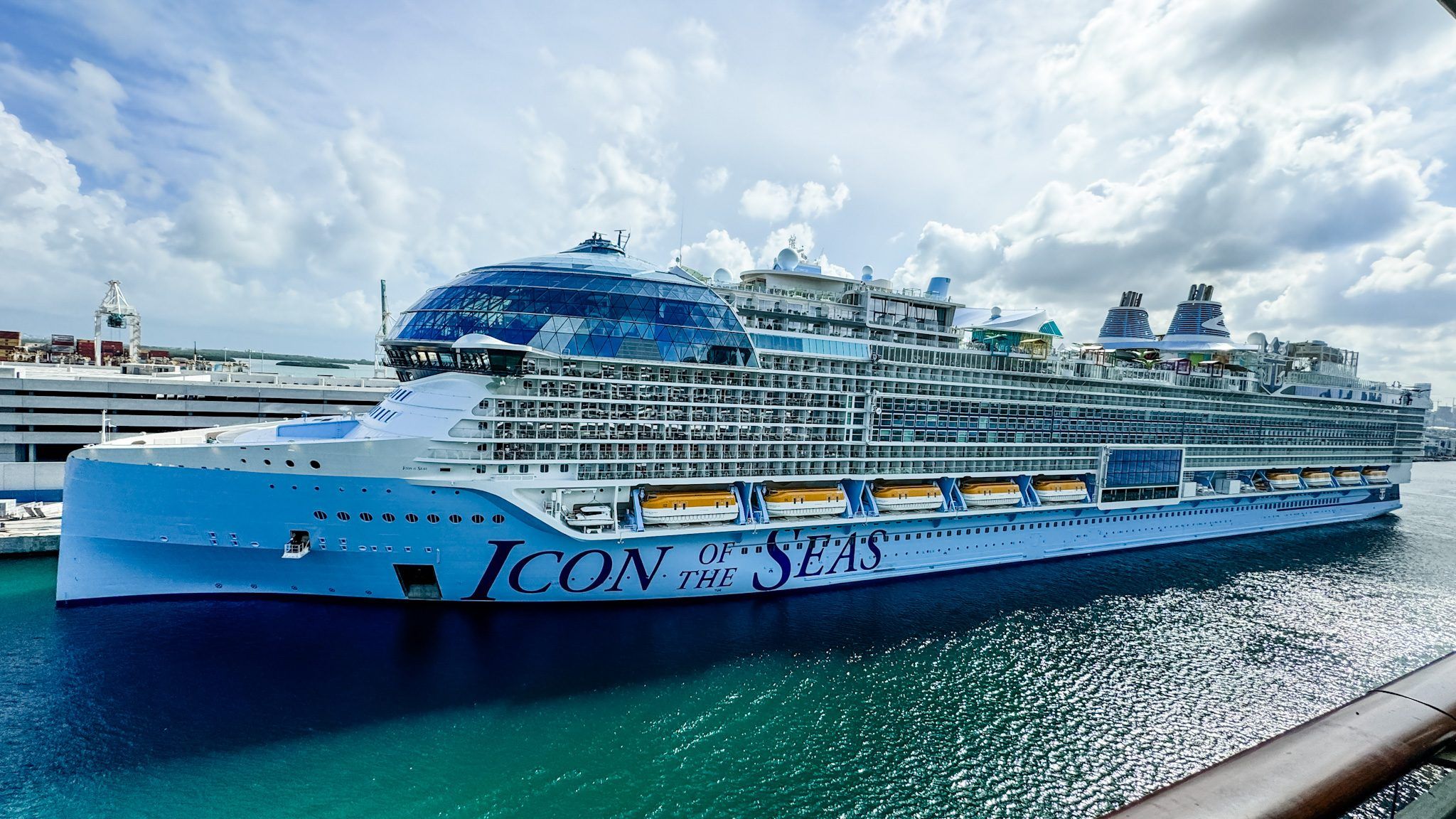
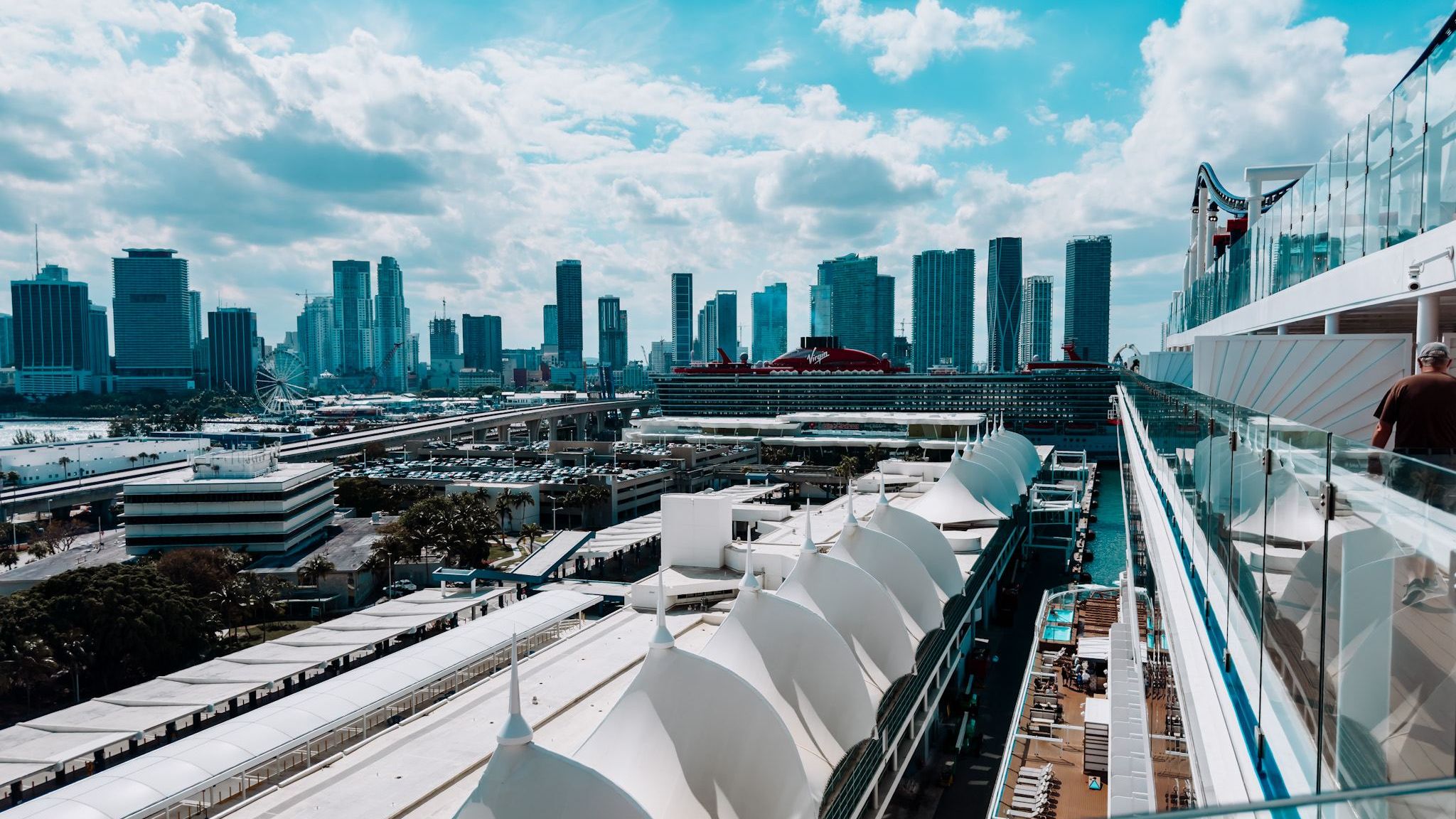
The Miami cruise port, officially called Port Miami, really lives up to its nickname as the "Cruise Capital of the World." This massive port spans 518 acres and welcomes thousands of cruisers every single day, making it one of the busiest homeports on the planet.
The Miami cruise port and Port Canaveral actually trade places pretty regularly for the title of world's busiest, which tells you just how much cruise traffic flows through here.
When it comes to logistics, the Miami cruise port has terminals labeled A through G, plus J and V. Yes, some letters are missing, which can throw you off if you're expecting everything to be sequential.
Don't stress about memorizing the layout, though. Once you arrive, there's excellent signage throughout the port directing you to your specific terminal based on your ship's name. Just check your cruise documents or e-boarding pass before you travel to confirm which terminal you need, and you'll be all set.
The official address for the Miami cruise port is 1015 North America Way, Miami, FL 33132. This address works for GPS and ride services, and it will get you to the main port entrance where you'll follow signs to your specific terminal.
Miami is one of my favorite homeports, because I love Miami in general because it's vibrant, diverse, and just feels oh, so cosmopolitan, but also because I have a secret hack to getting around here that makes the experience all the more enjoyable.

Miami Cruise Port Map
The Miami cruise port sits on Dodge Island, connected to downtown Miami by the Port Boulevard bridge, and its proximity to downtown makes it easy to reach from hotels, restaurants, and the airport.
Each terminal at the Miami cruise port has its own designated letter and address, so be sure to check your cruise documents or e-boarding pass before you travel. The port includes terminals A through G, plus J and V. Newer facilities such as Terminal A for Royal Caribbean and Terminal V for Virgin Voyages are among the most advanced in the world.
You can find an updated interactive map and official driving directions on the PortMiami website. For GPS navigation, use the address 1015 North America Way, Miami, FL 33132.
Get the Miami Cruise Port Map
Getting to the Miami Cruise Port
The Miami cruise port sits only about 8 miles from Miami International Airport (MIA), which translates to roughly a 20 to 30 minute drive depending on traffic. And let me tell you, Miami traffic can be notoriously congested, especially during rush hours and peak cruise days.
If you're flying in for your cruise, don't just search flights to MIA. Check Fort Lauderdale Hollywood International Airport (FLL) too. The drive from FLL to the Miami cruise port is only about 26 miles, or 45 to 60 minutes, depending on traffic conditions.
I've seen substantial differences in airfare between these two airports, sometimes hundreds of dollars per ticket, and either one puts you in easy reach of the Miami cruise port or nearby Port Everglades. I often fly into FLL for a cruise out of Port Miami, and then fly home with a separate one-way ticket from MIA.
Once you've landed, though, here are your best options for getting from the airport to the Miami cruise port:
Cruise Line Transfer
Most cruise lines offer their own transfer service between the airport and the Miami cruise port. For example, Carnival's transfer from MIA to the Miami cruise port runs about $24 per person. The booking is handled directly through your cruise line when you manage your reservation online.
It's nice with a cruise line transfer that everything is coordinated, but you're on their schedule and usually share a bus with other passengers. It's also pricey if you have a family or group of more than two. In that case, rideshare or even a private driver may be a more affordable option, and also much more comfortable and efficient.
Hotel Shuttle
Many Miami hotels offer shared shuttle service to the Miami cruise port for their guests, though most charge an additional fee.
The exception? There's one Miami hotel that provides free shuttle service to the port, which I'll tell you more about in the hotels section below. Otherwise, in most cases, Miami hotels either don't offer a shuttle, or if they do it comes at a cost, and that cost is nearly always more expensive than rideshare or private driver (unless you're a solo cruiser).
If you're staying at a hotel the night before your cruise, definitely ask about shuttle availability and pricing when you book.
Rideshare
For getting to the Miami cruise port, I typically recommend Uber or Lyft for the best mix of convenience and pricing.
A benefit of cruising from PortMiami is that the port is close to the airport. Because of this close proximity, from MIA to the port, you're looking at only around $15 to $30 for a rideshare, depending of course on the time of day, surge pricing, and which service level you choose.
The great part is that price covers up to four passengers, so if you're traveling with family or friends, it's an economical choice.
Private Transfer Service
If you want something more reliable than rideshare but don't want to deal with cruise line schedules, private transfer companies are a solid middle ground. These are the same concept as cruise line transfers, but their routes often run more frequently, and they're generally smaller vehicles compared to the large cruise line transfer buses.
Unless you're a solo traveler, a private transfer is almost always significantly cheaper than a cruise line transfer. For example, GetTransfer offers service for up to 3 people from MIA to the Miami cruise port, starting at $28.
If you're traveling with a larger group, they have vans for up to 8 people starting at $34, or a minibus for up to 16 people at $109, which is quite a bargain when you split it among that many travelers.
I'd like to note that I haven't personally used GetTransfer, and I've seen hit-or-miss reviews, so do your research if you decide to go this route.
Private Driver
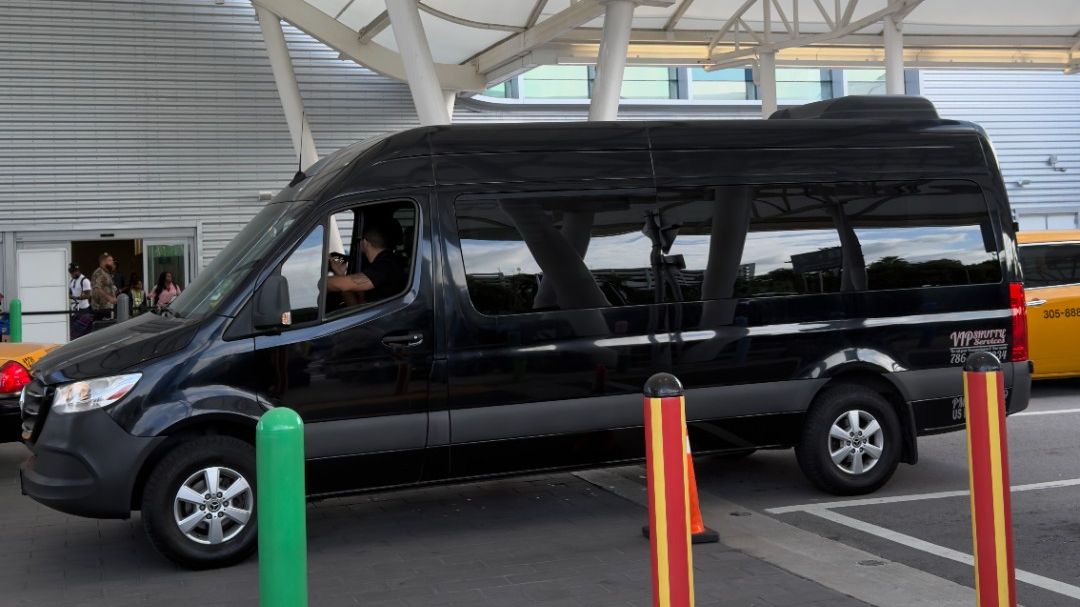
My preferred way to get around in Miami is with a private driver, and my go-to guy is Hector. He drives a premium vehicle that can accommodate larger families or anyone traveling with lots of luggage, and the black car service experience is just a notch above.
Being able to schedule him in advance takes the guesswork out of transportation, and in some cases, his rates are even cheaper than taking an Uber XL. For pricing and to check Hector's availability for your dates, submit my private driver form.
He also services Port Everglades out of Ft. Lauderdale, and can accommodate transport needs for cruisers to and from Miami and Ft. Lauderdale.
Related: Book a Miami private driver
Brightline
Brightline is a high-speed train connecting Miami, Aventura, Boca Raton, West Palm Beach, and Orlando. MiamiCentral Station is only a short rideshare ride from the cruise port. It’s a great option if you’re coming from central or northern Florida and want to avoid traffic. The trains are clean, comfortable, and offer Wi-Fi, snacks, and reserved seating.
If you're flying into your cruise out of the Miami cruise port and end up in the situation I've found myself in many times, where flights to/from both FLL and MIA are super expensive, it's worthwhile to also price out flights to/from the Orlando area. Because you can then book Brightline and take the 3.5-hour ride down to Miami.
Tri-Rail
Tri-Rail is South Florida’s commuter train connecting Fort Lauderdale, Palm Beach, and Miami. It’s a slower, less convenient option, but budget-friendly, and it can get you close to downtown. You’ll connect from the Tri-Rail Miami Airport Station via the MIA Mover to the airport, then a short Uber or taxi ride to the cruise port.
Related: Watch all my Miami cruise port video content
Best Way to the Miami Cruise Port
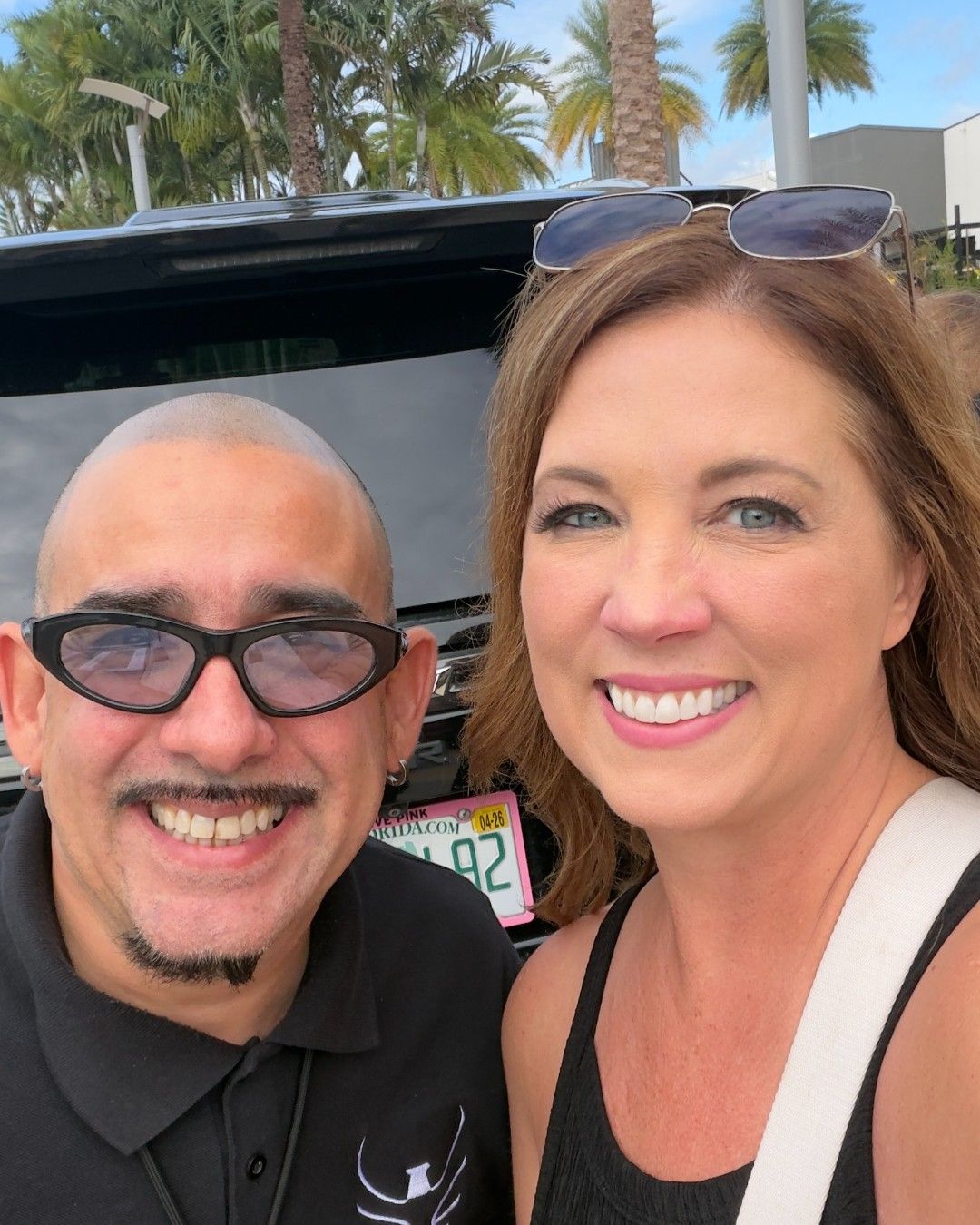
Meet Hector! He’s my go-to private driver in Miami, and he’s every bit as reliable and professional as you’d hope for when navigating South Florida traffic.
When I first met Hector, he was a one-man operation. Thanks to his superb hospitality and ability to wow customers and earn their referrals and repeat business, he's grown his business and now has not just his luxury Chevy Suburban, but also a Mercedes Sprinter van for large groups. He's also hired other drivers.
Hector can take you not just from Miami International Airport (MIA) to PortMiami, but also from Fort Lauderdale-Hollywood International Airport (FLL) to PortMiami (or even between MIA and FLL if you’re connecting between flights and ports, which I do often). He’s punctual, personable, and drives a clean, comfortable vehicle that’s perfect for families or groups with extra luggage. No stanky Ubers here!
What makes Hector even better is that he also offers personalized city tours of Miami. If you’re flying in early or have extra time before your cruise, he can show you the highlights... from South Beach and Little Havana to Wynwood Walls and Biscayne Bay. It’s a fantastic way to see the city without worrying about parking, traffic, insane south Florida drivers, or logistics.
Get Pricing & Book Hector
Miami Cruise Port Parking
The Miami cruise port offers plenty of parking options for cruisers, with multi-level garages and surface lots that make arrival straightforward. The main thing to know is that parking is divided between the north side and south side of the port, and which one you use depends on your terminal.
If you're sailing from Terminals A-G or V, you'll park on the north side in either the multi-level parking garage or the surface lots. Cruisers departing from Terminals J and K should head to the south side parking. Don't worry too much about this, though, as there's clear signage as you approach the port directing you based on your terminal. You can also check the Miami cruise port map ahead of time to see the exact layout.
Parking at the Miami cruise port runs about $22 per day for overnight parking, and payment is handled at automated kiosks that accept major credit and debit cards. You don't need a reservation, but it's smart to have your payment method ready. For current rates and any updates, check the official Port Miami parking page.
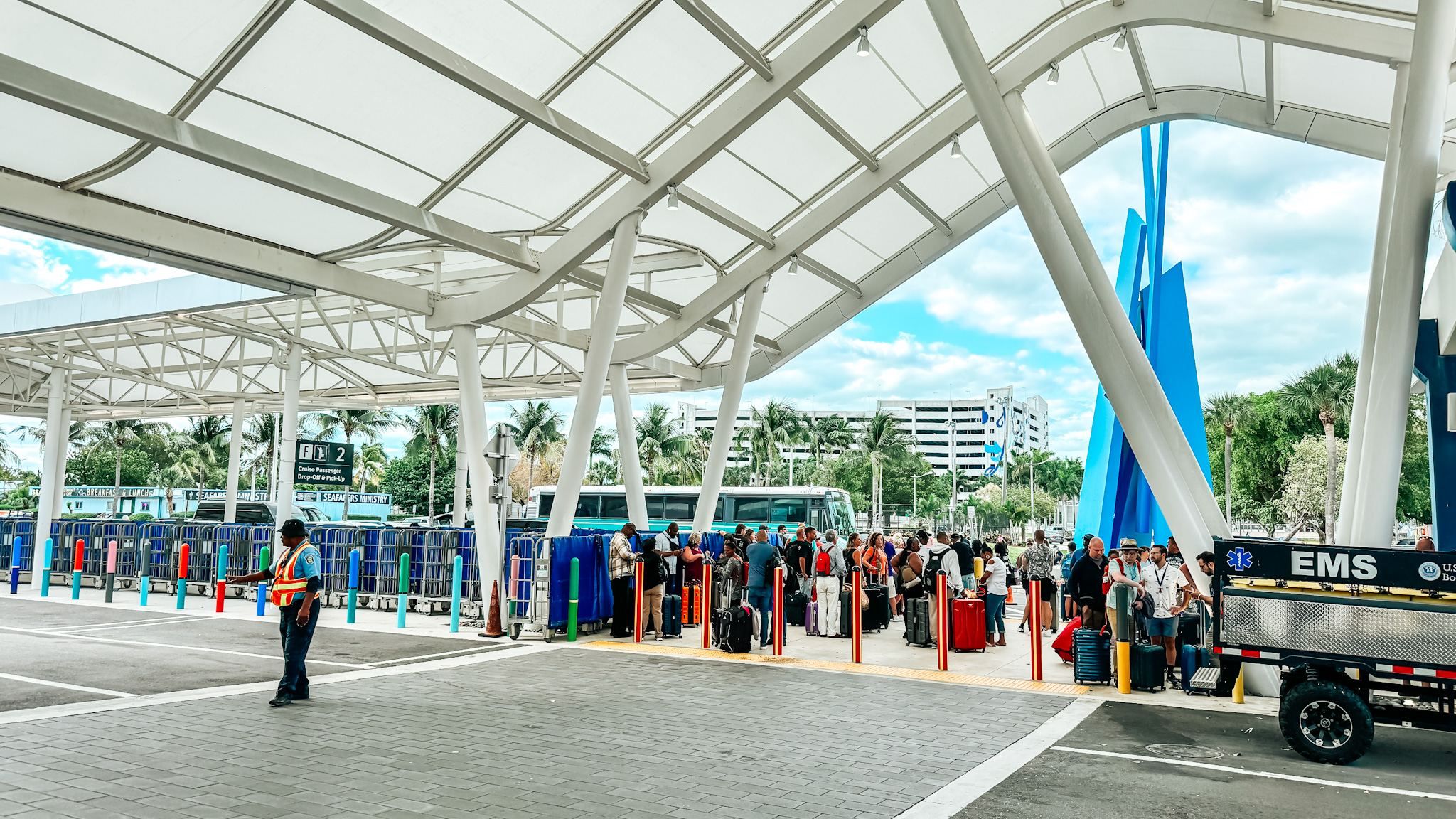
Once you park, porters are available to help with your luggage. There's no cost to check your bags with the cruise line and to be dropped off by the porters. Porters work for tips, and most cruisers offer two to five dollars per bag, though that's entirely at your discretion.
Many cruisers who park opt to pull up to the curb first to unload bags with a porter, then have the driver go park without hauling all the luggage through the garage.
Timing matters at the Miami cruise port, especially on busy embarkation days like Saturdays and Sundays when multiple ships are boarding, because traffic on the MacArthur Causeway and around the port can get heavy.
Plan to arrive within your cruise line's designated boarding window and build in a little buffer time. Before you head into the terminal, snap a quick photo of your parking spot or level so you can find your car easily when you return.
If you're looking to save money on parking, off-site lots near the Miami cruise port offer lower daily rates and usually include shuttle service to the terminals. Airport Parking Reservations is one option that provides shuttle service from their lot to the Miami cruise port for approximately $10 to $18 per day, which can add up to significant savings on a week-long cruise. The tradeoff is the extra time for the shuttle, but if budget is a priority, it's worth considering.
Some Miami hotels also offer cruise parking packages, sometimes called "park and stay" deals, where you can leave your car at the hotel for the duration of your cruise, and they provide transportation to the port (more on hotel options near the Miami cruise port down below).
On debarkation day, traffic leaving the port is typically heaviest between 8:30 and 10:30 in the morning as multiple ships disembark at the same time. If you're heading to the airport, factor in extra time for the drive and TSA security, especially if you have an earlier flight.
Embarkation at the Miami Cruise Port
Embarkation day at the Miami cruise port is usually smooth, but weekends and holidays can be very busy when several ships sail the same morning. Plan extra time for traffic on Port Boulevard and around the tunnels, follow your assigned boarding window, and have your documents ready so you can move quickly once you reach the terminal.
Read: How to Handle Luggage When Getting on a Cruise Ship
Arrival Timing
Aim to arrive within your cruise line boarding window. Showing up too early can mean waiting outside until your group is called, while arriving late can put you at the back of longer lines. Leave a buffer for Miami traffic and bridge openings (especially if you fly into FLL and are traveling from Ft. Lauderdale), and add more time if there are major events downtown.
Curbside and Luggage
As you pull up to your assigned terminal, porters are available at the curb to take your checked bags. Attach luggage tags before you arrive and keep travel documents, medications, valuables, and electronics in your carry-on. Tipping porters is customary at about $2 to $5 per bag, though this is always at your discretion.
Related: Read the pros and cons of checking your luggage vs. self-carry
Security and Check-in
After dropping bags, you will pass through security screening, then proceed to the cruise line check-in area. Have a government-issued photo ID, your boarding pass, and required health or travel documents ready. Follow crew instructions and posted signage for your boarding group. Most guests are onboard within 45 to 60 minutes, though peak times can take longer.
Accessibility and Assistance
Terminals at the Miami cruise port offer accessible entries, elevators, and seating areas. If you need wheelchair assistance, request it with your cruise line in advance and again at the curb so staff can meet you on arrival. Accessible parking is available in terminal garages near elevator lobbies.
Parking and Rideshare Tips
If you plan to park on site, follow the signs for your specific terminal garage and take a quick photo of your level to make departure day easier since it's easy to forget where you parked and if that happens, it can be a nightmare finding your car after your cruise.
For rideshare, move to the marked pickup or drop-off zones outside your terminal before requesting a car to reduce wait times and driver cancellations.
Related: Watch my Miami cruise port embarkation videos

Miami Cruise Port at a Glance
- Ships: The Miami cruise port can accommodate up to nine cruise ships across multiple modern terminals.
- Wi-Fi: Complimentary Wi-Fi is available in select terminals and waiting areas.
- ATMs: Cash machines are located inside terminals and near parking garages throughout the port.
- Facilities: Restrooms, covered waiting areas, baggage assistance, on-site parking, food kiosks, and visitor information stations are available at or near every terminal.
- Distance to downtown: The Miami cruise port is about 1 mile from downtown Miami and Bayside Marketplace, making it easy to explore before or after your cruise.
- Port address: PortMiami, 1015 North America Way, Miami, Florida 33132
Miami Cruise Port Day Rooms
If you're cruising from the Miami cruise port, you'll definitely want to fly in the night before your cruise (which I always recommend), and I'll share my top picks for the best hotels in Miami for cruisers in just a moment. But here's something else worth considering: booking a day room after your cruise if you have a late flight home.
I find myself in this situation all the time. Your ship returns to the Miami cruise port in the morning, you clear customs, and then you're standing there with your luggage and six or seven hours to kill before your evening flight. Sure, there are several things you can do to kill time. You could rent a car and explore South Florida, book an excursion in Miami, or camp out at the airport. And if you need a place to stow your luggage, you can always use a service like Radical Storage.
But one of the absolute best ways to spend that time without dragging your luggage all over creation or paying to store it, is by booking a day room.
A day room gives you access to a hotel room and all the amenities like the pool, showers, comfortable seating areas, and a place to actually relax or even catch a nap for the day, all without paying for a full overnight stay. It's one of my favorite hacks to extend those vacation vibes just a little longer and have a comfortable place to rest, refresh, and recharge before heading to the airport.
Day rooms can also be a lifesaver if you fly in the same day as your cruise (which I do not recommend, and here's why), but you arrive super early in the morning and can't embark the ship until later in the afternoon. Instead of sitting around the Miami cruise port or killing time in the terminal area, you can book a day room, store your luggage, enjoy the pool, grab lunch, and show up to the port refreshed and ready to board.
🎥 Watch my video about day rooms and what to expect
🛏️ Check availability and book a day room
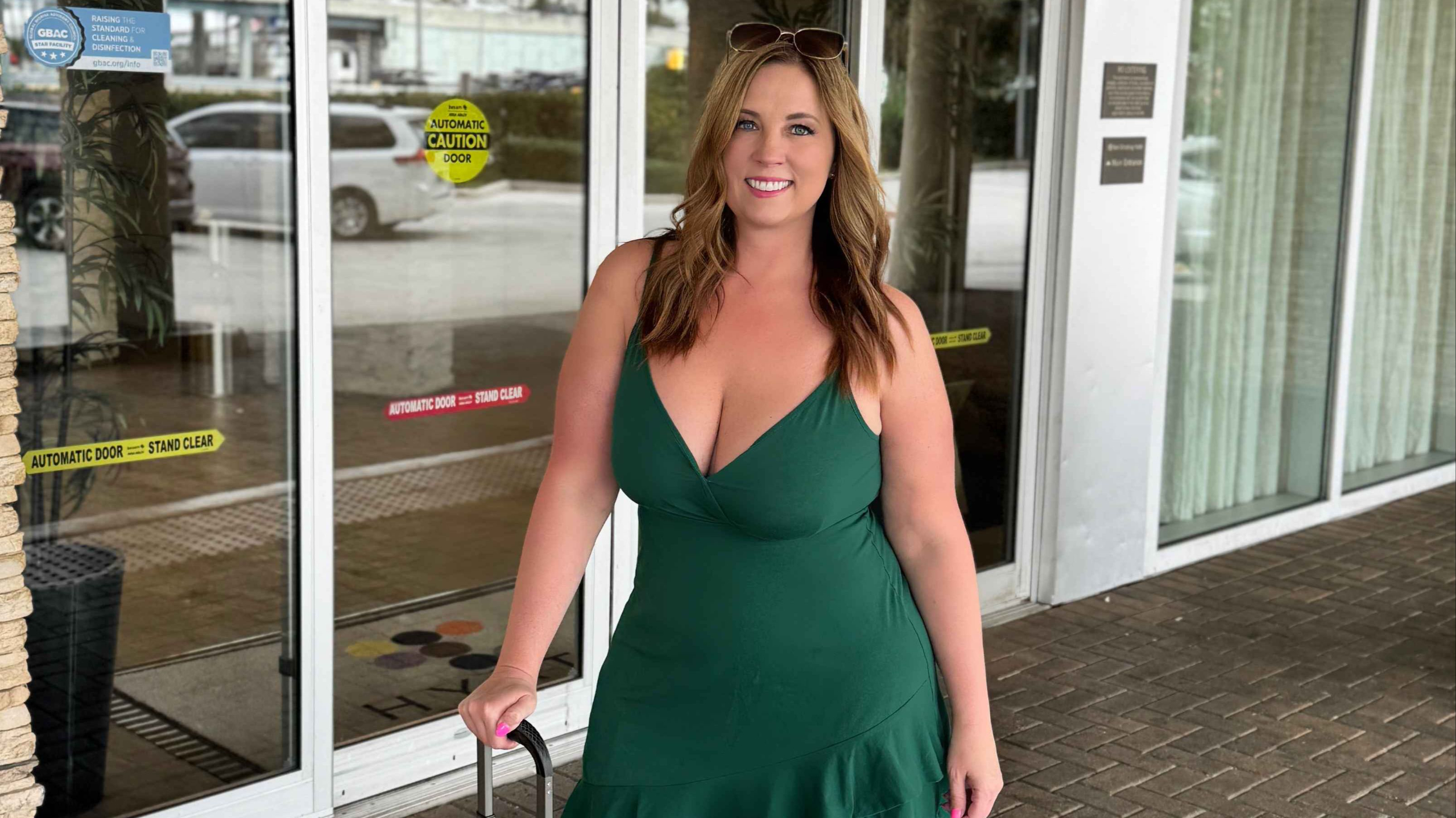
One Miami day room option that I've stayed at several times, and recommend highly, is Miami Hyatt Centric Brickell. It's close to the Miami cruise port and MIA, in the heart of the action in Brickell, and their on-site restaurant is surprisingly tasty (try their Cuban sandwich). Plus, they have a pretty swanky rooftop pool, which I love.
If you prefer to get around and explore Miami instead, but don't want to deal with the crazy drivers and heavy traffic, you can also book my private driver, Hector. He doesn't just provide transport to/from the Miami cruise port; he also offers half- and full-day Miami tours.
Best Affordable Miami Hotels for Cruisers
Cruisers sailing from the Miami cruise port often ask about the best Miami hotels near PortMiami, especially those with shuttle service to the terminals. My answer usually depends on your travel style.
Are you looking to splurge on a Miami hotel that gives you an extra beach day before your cruise, or are you hoping to find an affordable hotel that offers practical perks like breakfast and shuttle service to the port?
Miami is an expensive city overall, so “affordable” is a relative term. Still, there are several hotels that balance price, proximity, and convenience for cruisers departing from PortMiami.
Address: 3449 NW 42nd Ave, Miami, FL 33142
Distance from Miami Cruise Port: Approximately 8.5 miles, about a 20-minute drive
The Hampton Inn Miami Airport East is a highly rated property conveniently located near Miami International Airport. It offers a free airport shuttle, complimentary hot breakfast, Wi-Fi, and comfortable rooms. The hotel provides a shuttle to PortMiami for $12 per person, departing at 10:15, 11:15, and 12:15. An Uber for this distance might actually be a more affordable and flexible option, depending on the time of day.
Book the Hampton Inn Miami Airport East
Address: 777 Northwest 57th Avenue, Miami, FL
Distance from Miami Cruise Port: Approximately 9 miles, about a 20-minute drive
Miami has two Hampton Inn locations near the airport, and it is easy to confuse them. Hampton Blue Lagoon offers a free airport shuttle, complimentary breakfast, and free Wi-Fi. The hotel provides a shuttle to PortMiami for $14 per person, departing at 9:30, 11:00, and noon.
This property also offers a “Park and Sail” package that includes parking for up to seven days and a free shuttle to the port for two guests. When I priced it for a March sailing, it was about $90 more than the standard rate. It’s a great choice if you want to combine parking and transfers into one simple rate.
Book the Hampton Inn Miami Airport South – Blue Lagoon
Address: 657 Minola Dr, Miami Springs, FL 33166
Distance from Miami Cruise Port: Approximately 10 miles, about a 25-minute drive
A rare find in Miami, Comfort Suites Miami Airport North includes a free shuttle to the cruise port. This service can be scheduled upon check-in and is offered on a first come, first served basis. The hotel also provides a complimentary airport shuttle, breakfast, and Wi-Fi. It’s one of the best options for cruisers who value convenience and solid amenities without the high price tag.
Book the Comfort Suites Miami Airport North
Address: 711 N.W. 72nd Avenue, Miami, Florida
Distance from Miami Cruise Port: Approximately 10 miles, about a 25-minute drive
I recently stayed at this property and found it has a lot to offer even though it does not provide a direct airport or cruise port shuttle. Two big perks stand out: it’s walkable to Miami International Mall, just 0.4 miles away, and it offers a shuttle to nearby destinations within a five-mile radius, including Mall of the Americas and several local restaurants. If you love shopping, this is a great pre-cruise option less than ten miles from the airport.
Book the DoubleTree by Hilton Miami
Related: Listen to my Cruise Pod episode where I cover this topic
As noted, I often book hotels with my credit card points, choosing the best-value option at a decent property. One affordable hotel I've tried a couple of times in Miami (because of points) that I do not recommend is Hyatt Place Miami Airport.
It's conveniently located near the airport, but that and its low point redemption are the only benefits. It's otherwise a very worn and dated hotel, with an odd smell, and no decent food options within walking distance. I recommend steering clear of this one.

Cruise Capital of the World
The Miami Cruise Port proudly holds the title of the “Cruise Capital of the World.” It welcomes more cruise passengers each year than any other port (although it jockeys with Port Canaveral for that title), with millions of travelers starting their Caribbean, Bahamas, and even transatlantic adventures from this homeport.
On any given weekend, as many as eight cruise ships can be docked at once, creating a skyline of floating resorts against the turquoise water of Biscayne Bay.
The Miami cruise port sits on Dodge Island, an entirely man-made island created by merging three smaller islands in the 1950s to accommodate larger ships. It remains one of the few ports in the world located so close to a major downtown area, giving cruisers stunning skyline views as they sail away. If you're lucky enough to ever have a nighttime sailaway, which I did once on a Virgin Voyages cruise, it's truly spectacular.
Over the years, the Miami cruise port has also earned a bit of a reputation as the “party port.” Having sailed from most U.S. homeports, I can see why this reputation is earned.
Sailing from here is definitely higher energy, with more robust drinking from cruisers and a higher likelihood of encountering drug-sniffing dogs upon embarkation, but it's still family-friendly and always a good time.
Best Miami Beach Hotels Before a Cruise
The Miami cruise port and Port Everglades in Ft. Lauderdale are two of the most popular cruise ports in the United States, and both are surrounded by beautiful beaches, so it's no wonder cruisers often ask, “What’s the best beachfront hotel in Miami for cruisers?"
If you’re flying in the night before your cruise and simply want something clean, affordable, and convenient, with long term parking or shuttle options, choose one of the “affordable” hotels listed above, or stay somewhere free using points from a travel credit card (that’s usually what I do).
If you’d rather extend your vacation with a beach day before embarkation, though, the best Miami Beach hotels offer the perfect mix of ocean views and amenities. A quick look at a map of Miami Beach shows it’s only about 15 square miles, but packed with incredible hotel options, and I'll give you my recommendations for top Miami beachfront hotels for cruisers in a moment.
Before you book, though, keep these two things in mind:
1) Miami is expensive, and even budget hotels can be quite pricy. Miami Beach hotels are especially expensive, and many charge resort fees on top of high nightly rates, though these may be waived for certain credit card holders. So always check if that applies to you so you don't unnecessarily pay resort fees.
2) I do not recommend staying in Miami Beach during March or April, as this is spring break season and the beaches are crowded with rowdy and obnoxious college students (and I say this as a professor who is well accustomed to college students).
That being said, here are my favorite Miami Beach hotels for cruisers looking to add some sun and sand before setting sail.
Address: 4041 Collins Ave, Miami Beach, FL 33140
Distance from Miami Cruise Port: Approximately 7 miles, about a 20-minute drive
Though managed by Hyatt, the Andaz Miami Beach feels more like a chic boutique retreat. Formerly known as The Confidante, this property offers a retro beach vibe with a modern twist.
Guests enjoy direct access to Miami Beach with complimentary umbrellas, chairs, and towels, along with fun extras like free popsicles and lemonade served each hour. It’s the perfect spot to relax and soak up the Florida sun before embarkation day.
Book the Andaz Miami Beach
Address: 3900 Collins Ave, Miami Beach, FL 33140
Distance from Miami Cruise Port: Approximately 7 miles, about a 20-minute drive
Located almost directly across the street from Andaz Miami Beach, Circa 39 is a smaller and more intimate boutique property that delivers style and value. It is a “beachside” hotel rather than directly beachfront, meaning guests cross Collins Avenue to access Miami Beach. The walk is short and easy, just steps from the hotel entrance.
Once at the beach, Circa 39 guests enjoy complimentary access to beach chairs and umbrellas, and the hotel provides towels in the lobby for convenience. The pool here is smaller than at larger resorts but rarely crowded, which adds to the relaxed boutique vibe.
Book the Circa 39 Miami Beach
Address: 510 Ocean Drive, Miami Beach, FL 33139
Distance from Miami Cruise Port: Approximately 6 miles, about a 15-minute drive
The Bentley Hotel South Beach is a Hilton property, though you may not realize it at first glance. This boutique-style hotel sits right on Ocean Drive with direct beachfront access and a prime South Beach location. It offers more amenities than many nearby properties, including a rooftop pool, Jacuzzi, and spa. The atmosphere strikes a perfect balance between upscale and laid-back, making it ideal for cruisers looking to relax before embarkation.
Guests receive complimentary loungers and umbrellas through the Bentley Beach Club, and towels are provided at the beach. Wait staff are available for food and drink service, which adds a resort-like feel without the high price tag. The property is located about six miles from the Miami cruise port.
Book the Bentley Hotel South Beach
Miami Beach Day Passes
Earlier, I shared why booking a day room can be a smart move if your cruise returns early and you have a late flight home. But the same idea works in reverse, too. If you fly in the day of your cruise (which I do not recommend, and you can read why here), and find yourself with a few hours to spare before embarkation, a resort day pass is a great way to relax instead of waiting around at the terminal or airport.
A resort day pass gives you access to hotel amenities for the day (think pools, beaches, loungers, and restaurants) without needing to book an overnight stay. This is especially helpful in expensive Miami and is the perfect way to start your vacation early and get in some sun before boarding your ship.
For cruisers looking for day rooms in Miami, I recommend booking through Resort for a Day. They specialize in cruise-friendly day access and make it easy to find hotel options that fit around embarkation schedules. Many of these options have pools, including swanky rooftop pools, but there aren't any beachfront options.
If you’re more interested in a true beach or pool experience, check out a beach resort day pass from ResortPass. They partner with several top Miami Beach properties, including Andaz Miami Beach and Circa 39 Miami Beach, as well as many other resorts that offer full beach access, towel service, and poolside food and beverage options.
Debarking from the Miami Cruise Port
Debarkation in Miami usually starts around 7 am, depending on the cruise line and when the ship is cleared by Customs, and moves quickly. If you’re carrying your own luggage (“self-assist”), you’ll be among the first off. Those with checked bags will wait for their color or number group to be called.
Customs now uses facial recognition, so keep your passport handy if you have one, but expect the process to be fast.
Getting to the airport: Miami International (MIA) is about 20 minutes away; Fort Lauderdale (FLL) takes roughly 45–60 minutes. Aim for flights at or after 11 am from MIA and noon from FLL. Uber and taxis are readily available outside the terminal.
Luggage storage: The Miami cruise port does not offer luggage storage. If you have time before your flight, consider using a storage service (like Radical Storage) in downtown Miami, or store your bags at Miami International Airport (MIA).
Read: Best Ways to Handle Luggage with Cruise Disembarkation
Top Things to Do in Miami Before a Cruise (or After)
Miami is more than just a gateway to the Caribbean; it’s a destination all on its own. Many cruisers add a day or two before or after their sailing to explore the city’s beaches, culture, and food scene, and here are some of the best things to do in Miami before or after your cruise.
Related: Explore all Miami tours, tickets and excursions
South Beach
South Beach is Miami’s most famous stretch of sand, and for good reason. Stroll the iconic Ocean Drive, admire the pastel Art Deco buildings, or relax on the beach with a good book and an umbrella drink. Early mornings are best for calm walks, while evenings bring people watching, live music, and neon lights. Parking can be tricky, so rideshare is often easiest.
Related: Book South Beach tours and activities
Little Havana
Little Havana is a must for Cuban culture, music, and food. Walk along Calle Ocho, stop at Domino Park to watch locals play, and grab a cafecito or pastelito at Versailles Bakery or Ball & Chain. I've visited here several times, and adore the local cafes and restaurants, and I love, love, love the vibes. Go midday for the liveliest atmosphere and street music.
Related: Book Little Havana walking tours
Wynwood Walls
Wynwood is Miami’s street art district, filled with massive murals, trendy coffee shops, and creative energy. The outdoor Wynwood Walls exhibit showcases works by artists from around the world and is one of my favorite Instagram-worthy spots. Go early before it gets crowded, and pop into nearby boutiques or breweries afterward.
Related: Book Wynwood art and graffiti tours
Vizcaya Museum and Gardens
Step back in time at Vizcaya, a European-style villa with waterfront gardens and ornate architecture. It’s hard to believe this peaceful estate sits right in Miami. Bring comfortable shoes for walking the gardens and a camera for the views.
Related: Book Vizcaya Museum and Gardens admission
Bayside Marketplace
Located just a mile from the Miami cruise port, Bayside Marketplace is the perfect pre-cruise stop for shopping, dining, or live entertainment. You can take a short harbor cruise from here or just enjoy waterfront dining while watching the ships. It’s touristy, for sure, but it’s also a lot of fun.
Related: Book Biscayne Bay boat tours from Bayside
Miami Design District
For a dose of modern architecture, luxury boutiques, and art installations, head to the Miami Design District. Even if you’re not shopping, the art galleries and cafes are worth a stop. Grab lunch at Michael’s Genuine or Mandolin Aegean Bistro... both local favorites with incredible food and atmosphere.
Related: Book Miami Design District experiences
Everglades Airboat Tour
The Everglades are only about an hour from downtown Miami and offer a classic South Florida adventure. Glide through the sawgrass on an airboat, spot alligators and wading birds, and learn about this incredible ecosystem. I’ve done this trip several times and it's always great, although I'll never do it again in the dead of summer when it's peak Florida heat and humidity (I suggest going early in the day to avoid the worst of Satan's armpit weather).
Related: Book Everglades airboat tours from Miami
Lincoln Road
Lincoln Road in Miami Beach is a pedestrian-friendly promenade lined with shops, cafes, and galleries. It’s a perfect place for people watching, grabbing brunch, or doing some last-minute souvenir shopping. Evening is the best time to visit when the lights come on and the vibe feels electric.
Related: Book Miami Beach experiences on Lincoln Road
Key Biscayne
Just a short drive from downtown, Key Biscayne feels like a hidden tropical escape. Visit Crandon Park or Bill Baggs Cape Florida State Park for soft sand beaches, nature trails, and a quiet break from the city.
Related: Book Key Biscayne tours and activities
Dexter’s Apartment
If you’re a fan of the TV series Dexter(hi, it's me!), you’ll love seeing one of Miami’s most famous filming locations up close. Dexter’s apartment from the show sits along the Bay Harbor area and is instantly recognizable from its waterfront balconies and palm-lined setting. It’s not open to the public, and real people live here, but you can admire it from the street or include it on a Miami TV and movie tour. I stopped by on a recent visit, and while it was just a quick look at the exterior, it was still cool to see in person.
Related: Book a Miami TV and film locations tour
Best Places to Eat in Miami Near the Cruise Port
If you’re spending a little time in Miami before or after your cruise, you’ll want to take advantage of the city’s incredible and diverse multinational food scene.
No trip to Miami is complete without tasting the city’s legendary Cuban food, and Versailles Restaurant in Little Havana is the place to go. This iconic spot has been serving Cuban classics since 1971 and is known for its roasted pork, Cuban sandwiches, and strong, sweet cafecito. It’s a bit of a drive from the Miami cruise port (about 15 minutes) but well worth it for an authentic Miami meal before or after your sailing.
If you can’t make it to Versailles, other great Cuban restaurants near the Miami cruise port include Havana 1957 in Brickell, which serves traditional Cuban dishes with a lively vintage vibe, and Las Olas Café in South Beach, a laid-back local favorite known for its Cuban sandwiches, pastelitos, and strong coffee.
Related: Book a Little Havana food and culture tour
For something lighter, grab a coffee and pastry at Sagrado Café, a stylish Brazilian coffee shop located less than two miles from the Miami cruise port. The space feels vibrant and inviting, with lush greenery, cozy seating, and plenty of natural light. Their signature lattes, pastries, and savory toasts make it a great pre-embarkation stop or mid-morning caffeine break.
I always make time to pop in for an iced mocha latte before my cruises... it’s my little Miami tradition before heading to the terminal. And as a coffee snob, I've gotta say that they serve some of the best of the best.
Related: Explore Downtown Miami food and coffee experiences
If you’re in the mood for something upscale and memorable, Hell’s Kitchen Miami brings Gordon Ramsay’s signature flair to the waterfront near Bayside Marketplace, just minutes from the cruise port.
I've been here once and only once because it's a little expensive for my tastes, but I admit that it was worth it, especially since I was traveling with my daughter for her birthday and she's a huge Gordon fan.
Expect elevated versions of his famous dishes like Beef Wellington and sticky toffee pudding, all served in a sleek, modern space. It’s definitely on the pricier side, but if you’re celebrating a special occasion before your cruise, this is a fantastic choice. Sadly, though, idiot sandwiches aren't on the menu.
Related: Book Bayside Marketplace experiences and boat tours
More Miami Dining Favorites
For quick, casual bites near the Miami cruise port, Joe’s Stone Crab in South Beach is another Miami institution, famous for its crab claws and key lime pie.
If you’re in the mood for something trendy (and a little over the top), you can also check out Salt Bae’s Nusr-Et Turkish Steakhouse in Brickell for upscale cuts and tableside flair. Dinner here is expensive, but they have surprisingly affordable lunch specials.
What time should I book my return flight home from the Miami cruise port?
You should book your return flight home no earlier than 11:00 a.m. from Miami International Airport (MIA) and noon from Fort Lauderdale (FLL). This allows enough time to disembark, clear customs, travel to the airport, and check in without rushing.
Is parking available at the Miami cruise port?
Yes, Miami cruise port offers secure, on-site parking at each terminal, typically costing about $22 per day. There are also off-site lots nearby with shuttle service to the port for around $10–18 per day, which can save you money on longer cruises.
What’s the best way to get from MIA to the Miami cruise port?
The Miami cruise port is roughly 8 miles (20–30 minutes) from Miami International Airport (MIA). The easiest ways to get there include Uber or Lyft (about $15–$30), a private transfer, or a hotel shuttle if you’re staying nearby. Some cruise lines also offer direct transfers for an additional fee.
My personal preference is to hire a private driver. It's typically a bit more expensive, but oh-so-luxurious and nice, and can actually be cheaper than the other options depending on your circumstances.
Are there any hotels in Miami with a shuttle to the Miami cruise port?
Yes, several hotels near Miami cruise port offer shuttles for cruisers, including Comfort Suites Miami Airport North and Hampton Inn Miami Airport East. Others may offer park-and-sail packages that include parking and a discounted shuttle to the port. Typically, however, these shuttles have a cost and other options, like rideshare, may be a more affordable and convenient option.
Can I fly in to FLL for a sailing out of the Miami cruise port?
Yes, you can absolutely fly into Fort Lauderdale (FLL) for a cruise departing from the Miami cruise port. The two airports are about 25–30 miles apart, and the drive typically takes 45–60 minutes, depending on traffic. Many cruisers choose FLL because flights are often cheaper, but be sure to allow extra travel time or plan to arrive the day before your cruise to avoid any delays.
Miami Cruise Port Video Guide
#block-1755536107589 { margin-top: 0px; margin-right: 0px; margin-bottom: 0px; margin-left: 0px; } #block-1755536107589 .block { border: 4px black; border-radius: 4px; padding: 0px; padding: 0px; padding-top: 0px; padding-right: 0px; padding-bottom: 0px; padding-left: 0px; } @media (min-width: 768px) { #block-1755536107589 { margin-top: 0px; margin-right: 0px; margin-bottom: 0px; margin-left: 0px; } #block-1755536107589 .block { padding: 0px; padding-top: 0px; padding-right: 0px; padding-bottom: 0px; padding-left: 0px; } } @media (max-width: 767px) { #block-1755536107589 { text-align: left; } } #block-1577982541036_0 .btn { margin-top: 1rem; } #block-1755554634660 { margin-top: 0px; margin-right: 0px; margin-bottom: 0px; margin-left: 0px; } #block-1755554634660 .block { border: 4px black; border-radius: 4px; background-color: #ecf0f1; padding: 0px; padding: 0px; padding: 0px; padding-top: 0px; padding-right: 0px; padding-bottom: 0px; padding-left: 0px; } @media (min-width: 768px) { #block-1755554634660 { margin-top: 0px; margin-right: 0px; margin-bottom: 0px; margin-left: 0px; } #block-1755554634660 .block { padding: 0px; padding: 0px; padding-top: 0px; padding-right: 0px; padding-bottom: 0px; padding-left: 0px; } } @media (max-width: 767px) { #block-1755554634660 { text-align: left; } } #block-1695978871700 { margin-top: 5px; margin-right: 0px; margin-bottom: 5px; margin-left: 0px; } #block-1695978871700 .block { border: 4px black; border-radius: 4px; background-color: #ecf0f1; padding: 0px; padding: 0px; padding: 0px; padding-top: 15px; padding-right: 15px; padding-bottom: 15px; padding-left: 15px; } @media (min-width: 768px) { #block-1695978871700 { margin-top: 0px; margin-right: 0px; margin-bottom: 0px; margin-left: 0px; } #block-1695978871700 .block { padding: 0px; padding: 0px; padding-top: 15px; padding-right: 10px; padding-bottom: 15px; padding-left: 15px; } } @media (max-width: 767px) { #block-1695978871700 { text-align: left; } } #block-1695978871700 .image__image { max-width: 27%; border-radius: 5px; } #block-1695978871700 .image__image { float: right; margin-left: 17px; margin-bottom: 10px; } #block-1695978871700 .btn, [data-slick-id="1695978871700"] .block .btn { color: #000000; border-color: #60dedb; border-radius: 100px; background-color: #60dedb; } #block-1695978871700 .btn--outline, [data-slick-id="1695978871700"] .block .btn--outline { background: transparent; color: #60dedb; } #block-1761296993150 { margin-top: 0px; margin-right: 0px; margin-bottom: 0px; margin-left: 0px; } #block-1761296993150 .block { border: 4px black; border-radius: 4px; padding: 0px; padding: 0px; padding-top: 0px; padding-right: 0px; padding-bottom: 0px; padding-left: 0px; } @media (min-width: 768px) { #block-1761296993150 { margin-top: 0px; margin-right: 0px; margin-bottom: 0px; margin-left: 0px; } #block-1761296993150 .block { padding: 0px; padding-top: 0px; padding-right: 0px; padding-bottom: 0px; padding-left: 0px; } } @media (max-width: 767px) { #block-1761296993150 { text-align: left; } } #block-1577982541036_0 .btn { margin-top: 1rem; } #block-1755552163933 { margin-top: 0px; margin-right: 0px; margin-bottom: 0px; margin-left: 0px; } #block-1755552163933 .block { border: 4px black; border-radius: 0px; padding: 0px; padding: 0; padding-top: 0px; padding-right: 0px; padding-bottom: 0px; padding-left: 0px; } @media (min-width: 768px) { #block-1755552163933 { margin-top: 0px; margin-right: 0px; margin-bottom: 0px; margin-left: 0px; } #block-1755552163933 .block { padding: 0; padding-top: 0px; padding-right: 0px; padding-bottom: 0px; padding-left: 0px; } } @media (max-width: 767px) { #block-1755552163933 { text-align: ; } } #block-1755552163933 .block, [data-slick-id="1755552163933"] .block { display: flex; justify-content: flex-start; } #block-1755552163933 .image, [data-slick-id="1755552163933"] .image { width: 100%; overflow: hidden; border-radius: 4px; } #block-1755552163933 .image__image, [data-slick-id="1755552163933"] .image__image { width: 100%; } #block-1755552163933 .image__overlay, [data-slick-id="1755552163933"] .image__overlay { opacity: 0; background-color: #fff; border-radius: 4px; } #block-1755552163933 .image__overlay-text, [data-slick-id="1755552163933"] .image__overlay-text { color: !important; } @media (min-width: 768px) { #block-1755552163933 .block, [data-slick-id="1755552163933"] .block { display: flex; justify-content: center; } #block-1755552163933 .image__overlay, [data-slick-id="1755552163933"] .image__overlay { opacity: 0; } #block-1755552163933 .image__overlay:hover { opacity: 1; } } #block-1761438013800 { margin-top: 0px; margin-right: 0px; margin-bottom: 0px; margin-left: 0px; } #block-1761438013800 .block { border: 4px black; border-radius: 4px; padding: 0px; padding: 0px; padding-top: 0px; padding-right: 0px; padding-bottom: 0px; padding-left: 0px; } @media (min-width: 768px) { #block-1761438013800 { margin-top: 0px; margin-right: 0px; margin-bottom: 0px; margin-left: 0px; } #block-1761438013800 .block { padding: 0px; padding-top: 0px; padding-right: 0px; padding-bottom: 0px; padding-left: 0px; } } @media (max-width: 767px) { #block-1761438013800 { text-align: left; } } #block-1577982541036_0 .btn { margin-top: 1rem; } #block-1761434148198 { margin-top: 0px; margin-right: 0px; margin-bottom: 0px; margin-left: 0px; } #block-1761434148198 .block { border: 4px black; border-radius: 4px; background-color: #ecf0f1; padding: 0px; padding: 0px; padding: 0px; padding-top: 15px; padding-right: 15px; padding-bottom: 15px; padding-left: 15px; } @media (min-width: 768px) { #block-1761434148198 { margin-top: 0px; margin-right: 0px; margin-bottom: 0px; margin-left: 0px; } #block-1761434148198 .block { padding: 0px; padding: 0px; padding-top: 20px; padding-right: 5px; padding-bottom: 10px; padding-left: 20px; } } @media (max-width: 767px) { #block-1761434148198 { text-align: left; } } #block-1761434148198 .image__image { max-width: 35%; border-radius: 4px; } #block-1761434148198 .image__image { float: right; margin-left: 15px; margin-bottom: 10px; } #block-1761434148198 .btn, [data-slick-id="1761434148198"] .block .btn { color: #000000; border-color: #60dedb; border-radius: 100px; background-color: #60dedb; } #block-1761434148198 .btn--outline, [data-slick-id="1761434148198"] .block .btn--outline { background: transparent; color: #60dedb; } #block-1755538207916 { margin-top: 0px; margin-right: 0px; margin-bottom: 0px; margin-left: 0px; } #block-1755538207916 .block { border: 4px black; border-radius: 4px; padding: 0px; padding: 0px; padding-top: 0px; padding-right: 0px; padding-bottom: 0px; padding-left: 0px; } @media (min-width: 768px) { #block-1755538207916 { margin-top: 0px; margin-right: 0px; margin-bottom: 0px; margin-left: 0px; } #block-1755538207916 .block { padding: 0px; padding-top: 0px; padding-right: 0px; padding-bottom: 0px; padding-left: 0px; } } @media (max-width: 767px) { #block-1755538207916 { text-align: left; } } #block-1577982541036_0 .btn { margin-top: 1rem; } #block-1761435584374 { margin-top: 0px; margin-right: 0px; margin-bottom: 0px; margin-left: 0px; } #block-1761435584374 .block { border: 4px black; border-radius: 0px; padding: 0px; padding: 0; padding-top: 0px; padding-right: 0px; padding-bottom: 0px; padding-left: 0px; } @media (min-width: 768px) { #block-1761435584374 { margin-top: 0px; margin-right: 0px; margin-bottom: 0px; margin-left: 0px; } #block-1761435584374 .block { padding: 0; padding-top: 0px; padding-right: 0px; padding-bottom: 0px; padding-left: 0px; } } @media (max-width: 767px) { #block-1761435584374 { text-align: ; } } #block-1761435584374 .block, [data-slick-id="1761435584374"] .block { display: flex; justify-content: flex-start; } #block-1761435584374 .image, [data-slick-id="1761435584374"] .image { width: 100%; overflow: hidden; border-radius: 4px; } #block-1761435584374 .image__image, [data-slick-id="1761435584374"] .image__image { width: 100%; } #block-1761435584374 .image__overlay, [data-slick-id="1761435584374"] .image__overlay { opacity: 0; background-color: #fff; border-radius: 4px; } #block-1761435584374 .image__overlay-text, [data-slick-id="1761435584374"] .image__overlay-text { color: !important; } @media (min-width: 768px) { #block-1761435584374 .block, [data-slick-id="1761435584374"] .block { display: flex; justify-content: center; } #block-1761435584374 .image__overlay, [data-slick-id="1761435584374"] .image__overlay { opacity: 0; } #block-1761435584374 .image__overlay:hover { opacity: 1; } } #block-1755559595828 { margin-top: 0px; margin-right: 0px; margin-bottom: 0px; margin-left: 0px; } #block-1755559595828 .block { border: 4px black; border-radius: 4px; padding: 0px; padding: 0px; padding-top: 0px; padding-right: 0px; padding-bottom: 0px; padding-left: 0px; } @media (min-width: 768px) { #block-1755559595828 { margin-top: 20px; margin-right: 0px; margin-bottom: 0px; margin-left: 0px; } #block-1755559595828 .block { padding: 0px; padding-top: -10px; padding-right: 0px; padding-bottom: 0px; padding-left: 0px; } } @media (max-width: 767px) { #block-1755559595828 { text-align: left; } } #block-1577982541036_0 .btn { margin-top: 1rem; } #block-1755562158546 { margin-top: 5px; margin-right: 0px; margin-bottom: 5px; margin-left: 0px; } #block-1755562158546 .block { border: 4px black; border-radius: 4px; background-color: #ecf0f1; padding: 0px; padding: 0px; padding: 0px; padding-top: 15px; padding-right: 15px; padding-bottom: 15px; padding-left: 15px; } @media (min-width: 768px) { #block-1755562158546 { margin-top: 0px; margin-right: 0px; margin-bottom: 0px; margin-left: 0px; } #block-1755562158546 .block { padding: 0px; padding: 0px; padding-top: 15px; padding-right: 10px; padding-bottom: 0px; padding-left: 15px; } } @media (max-width: 767px) { #block-1755562158546 { text-align: left; } } #block-1755562158546 .image__image { max-width: 35%; border-radius: 5px; } #block-1755562158546 .image__image { float: right; margin-left: 12px; margin-bottom: 10px; } #block-1694872795640 { margin-top: 0px; margin-right: 0px; margin-bottom: 0px; margin-left: 0px; } #block-1694872795640 .block { border: 4px black; border-radius: 0px; padding: 0px; padding: 0; padding-top: 0px; padding-right: 0px; padding-bottom: 0px; padding-left: 0px; } @media (min-width: 768px) { #block-1694872795640 { margin-top: 0px; margin-right: 0px; margin-bottom: 0px; margin-left: 0px; } #block-1694872795640 .block { padding: 0; padding-top: 0px; padding-right: 0px; padding-bottom: 0px; padding-left: 0px; } } @media (max-width: 767px) { #block-1694872795640 { text-align: ; } } #block-1694872795640 .block, [data-slick-id="1694872795640"] .block { display: flex; justify-content: flex-start; } #block-1694872795640 .image, [data-slick-id="1694872795640"] .image { width: 100%; overflow: hidden; border-radius: 4px; } #block-1694872795640 .image__image, [data-slick-id="1694872795640"] .image__image { width: 100%; } #block-1694872795640 .image__overlay, [data-slick-id="1694872795640"] .image__overlay { opacity: 0; background-color: #fff; border-radius: 4px; } #block-1694872795640 .image__overlay-text, [data-slick-id="1694872795640"] .image__overlay-text { color: !important; } @media (min-width: 768px) { #block-1694872795640 .block, [data-slick-id="1694872795640"] .block { display: flex; justify-content: flex-start; } #block-1694872795640 .image__overlay, [data-slick-id="1694872795640"] .image__overlay { opacity: 0; } #block-1694872795640 .image__overlay:hover { opacity: 1; } } #block-1694872799582 { margin-top: 0px; margin-right: 0px; margin-bottom: 0px; margin-left: 0px; } #block-1694872799582 .block { border: 4px black; border-radius: 0px; padding: 0px; padding: 0; padding-top: 0px; padding-right: 0px; padding-bottom: 0px; padding-left: 0px; } @media (min-width: 768px) { #block-1694872799582 { margin-top: 0px; margin-right: 0px; margin-bottom: 0px; margin-left: 0px; } #block-1694872799582 .block { padding: 0; padding-top: 0px; padding-right: 0px; padding-bottom: 0px; padding-left: 0px; } } @media (max-width: 767px) { #block-1694872799582 { text-align: ; } } #block-1694872799582 .block, [data-slick-id="1694872799582"] .block { display: flex; justify-content: flex-start; } #block-1694872799582 .image, [data-slick-id="1694872799582"] .image { width: 100%; overflow: hidden; border-radius: 4px; } #block-1694872799582 .image__image, [data-slick-id="1694872799582"] .image__image { width: 100%; } #block-1694872799582 .image__overlay, [data-slick-id="1694872799582"] .image__overlay { opacity: 0; background-color: #fff; border-radius: 4px; } #block-1694872799582 .image__overlay-text, [data-slick-id="1694872799582"] .image__overlay-text { color: !important; } @media (min-width: 768px) { #block-1694872799582 .block, [data-slick-id="1694872799582"] .block { display: flex; justify-content: flex-start; } #block-1694872799582 .image__overlay, [data-slick-id="1694872799582"] .image__overlay { opacity: 0; } #block-1694872799582 .image__overlay:hover { opacity: 1; } } #block-1760605025952 { margin-top: 0px; margin-right: 0px; margin-bottom: 0px; margin-left: 0px; } #block-1760605025952 .block { border: 4px black; border-radius: 4px; padding: 0px; padding: 0px; padding-top: 0px; padding-right: 0px; padding-bottom: 0px; padding-left: 0px; } @media (min-width: 768px) { #block-1760605025952 { margin-top: 0px; margin-right: 0px; margin-bottom: 0px; margin-left: 0px; } #block-1760605025952 .block { padding: 0px; padding-top: 0px; padding-right: 0px; padding-bottom: 0px; padding-left: 0px; } } @media (max-width: 767px) { #block-1760605025952 { text-align: left; } } #block-1577982541036_0 .btn { margin-top: 1rem; } #block-1755538897505 { margin-top: 0px; margin-right: 0px; margin-bottom: 0px; margin-left: 0px; } #block-1755538897505 .block { border: 4px black; border-radius: 0px; padding: 0px; padding: 0; padding-top: 0px; padding-right: 0px; padding-bottom: 0px; padding-left: 0px; } @media (min-width: 768px) { #block-1755538897505 { margin-top: 0px; margin-right: 0px; margin-bottom: 0px; margin-left: 0px; } #block-1755538897505 .block { padding: 0; padding-top: 0px; padding-right: 0px; padding-bottom: 0px; padding-left: 0px; } } @media (max-width: 767px) { #block-1755538897505 { text-align: ; } } #block-1755538897505 .block, [data-slick-id="1755538897505"] .block { display: flex; justify-content: flex-start; } #block-1755538897505 .image, [data-slick-id="1755538897505"] .image { width: 100%; overflow: hidden; border-radius: 4px; } #block-1755538897505 .image__image, [data-slick-id="1755538897505"] .image__image { width: 100%; } #block-1755538897505 .image__overlay, [data-slick-id="1755538897505"] .image__overlay { opacity: 0; background-color: #fff; border-radius: 4px; } #block-1755538897505 .image__overlay-text, [data-slick-id="1755538897505"] .image__overlay-text { color: !important; } @media (min-width: 768px) { #block-1755538897505 .block, [data-slick-id="1755538897505"] .block { display: flex; justify-content: center; } #block-1755538897505 .image__overlay, [data-slick-id="1755538897505"] .image__overlay { opacity: 0; } #block-1755538897505 .image__overlay:hover { opacity: 1; } } #block-1755539080552 { margin-top: 0px; margin-right: 0px; margin-bottom: 0px; margin-left: 0px; } #block-1755539080552 .block { border: 4px black; border-radius: 4px; padding: 0px; padding: 0px; padding-top: 0px; padding-right: 0px; padding-bottom: 0px; padding-left: 0px; } @media (min-width: 768px) { #block-1755539080552 { margin-top: 10px; margin-right: 0px; margin-bottom: 0px; margin-left: 0px; } #block-1755539080552 .block { padding: 0px; padding-top: 0px; padding-right: 0px; padding-bottom: 0px; padding-left: 0px; } } @media (max-width: 767px) { #block-1755539080552 { text-align: left; } } #block-1577982541036_0 .btn { margin-top: 1rem; } #block-1755540195794 { margin-top: 0px; margin-right: 0px; margin-bottom: 20px; margin-left: 0px; } #block-1755540195794 .block { border: 2px dashed #95a5a6; border-radius: 28px; background-color: #60dedb; padding: 0px; padding: 0px; padding: 0px; padding-top: 15px; padding-right: 15px; padding-bottom: 15px; padding-left: 15px; } @media (min-width: 768px) { #block-1755540195794 { margin-top: 0px; margin-right: 0px; margin-bottom: 20px; margin-left: 0px; } #block-1755540195794 .block { padding: 0px; padding: 0px; padding-top: 14px; padding-right: 25px; padding-bottom: 0px; padding-left: 25px; } } @media (max-width: 767px) { #block-1755540195794 { text-align: left; } } #block-1577982541036_0 .btn { margin-top: 1rem; } #block-1755539653896 { margin-top: 0px; margin-right: 0px; margin-bottom: 0px; margin-left: 0px; } #block-1755539653896 .block { border: 4px black; border-radius: 4px; background-color: #ecf0f1; padding: 0px; padding: 0px; padding: 0px; padding-top: 15px; padding-right: 15px; padding-bottom: 15px; padding-left: 15px; } @media (min-width: 768px) { #block-1755539653896 { margin-top: 0px; margin-right: 0px; margin-bottom: 0px; margin-left: 0px; } #block-1755539653896 .block { padding: 0px; padding: 0px; padding-top: 20px; padding-right: 5px; padding-bottom: 10px; padding-left: 20px; } } @media (max-width: 767px) { #block-1755539653896 { text-align: left; } } #block-1755539653896 .image__image { max-width: 35%; border-radius: 4px; } #block-1755539653896 .image__image { float: right; margin-left: 15px; margin-bottom: 10px; } #block-1755540469436 { margin-top: 0px; margin-right: 0px; margin-bottom: 0px; margin-left: 0px; } #block-1755540469436 .block { border: 4px black; border-radius: 4px; padding: 0px; padding: 0px; padding-top: 0px; padding-right: 0px; padding-bottom: 0px; padding-left: 0px; } @media (min-width: 768px) { #block-1755540469436 { margin-top: 0px; margin-right: 0px; margin-bottom: 0px; margin-left: 0px; } #block-1755540469436 .block { padding: 0px; padding-top: 0px; padding-right: 0px; padding-bottom: 0px; padding-left: 0px; } } @media (max-width: 767px) { #block-1755540469436 { text-align: left; } } #block-1577982541036_0 .btn { margin-top: 1rem; } #block-1755540685876 { margin-top: 0px; margin-right: 0px; margin-bottom: 0px; margin-left: 0px; } #block-1755540685876 .block { border: 4px black; border-radius: 0px; padding: 0px; padding: 0; padding-top: 0px; padding-right: 0px; padding-bottom: 0px; padding-left: 0px; } @media (min-width: 768px) { #block-1755540685876 { margin-top: 0px; margin-right: 0px; margin-bottom: 20px; margin-left: 0px; } #block-1755540685876 .block { padding: 0; padding-top: 0px; padding-right: 0px; padding-bottom: 0px; padding-left: 0px; } } @media (max-width: 767px) { #block-1755540685876 { text-align: ; } } #block-1755540685876 .block, [data-slick-id="1755540685876"] .block { display: flex; justify-content: flex-start; } #block-1755540685876 .image, [data-slick-id="1755540685876"] .image { width: 100%; overflow: hidden; border-radius: 4px; } #block-1755540685876 .image__image, [data-slick-id="1755540685876"] .image__image { width: 100%; } #block-1755540685876 .image__overlay, [data-slick-id="1755540685876"] .image__overlay { opacity: 0; background-color: #fff; border-radius: 4px; } #block-1755540685876 .image__overlay-text, [data-slick-id="1755540685876"] .image__overlay-text { color: !important; } @media (min-width: 768px) { #block-1755540685876 .block, [data-slick-id="1755540685876"] .block { display: flex; justify-content: center; } #block-1755540685876 .image__overlay, [data-slick-id="1755540685876"] .image__overlay { opacity: 0; } #block-1755540685876 .image__overlay:hover { opacity: 1; } } #block-1755540900538 { margin-top: 0px; margin-right: 0px; margin-bottom: 0px; margin-left: 0px; } #block-1755540900538 .block { border: 4px black; border-radius: 4px; padding: 0px; padding: 0px; padding-top: 0px; padding-right: 0px; padding-bottom: 0px; padding-left: 0px; } @media (min-width: 768px) { #block-1755540900538 { margin-top: 0px; margin-right: 0px; margin-bottom: 0px; margin-left: 0px; } #block-1755540900538 .block { padding: 0px; padding-top: 0px; padding-right: 0px; padding-bottom: 0px; padding-left: 0px; } } @media (max-width: 767px) { #block-1755540900538 { text-align: left; } } #block-1577982541036_0 .btn { margin-top: 1rem; } #block-1755541195928 { margin-top: 0px; margin-right: 0px; margin-bottom: 0px; margin-left: 0px; } #block-1755541195928 .block { border: 4px black; border-radius: 0px; padding: 0px; padding: 0; padding-top: 0px; padding-right: 0px; padding-bottom: 0px; padding-left: 0px; } @media (min-width: 768px) { #block-1755541195928 { margin-top: 0px; margin-right: 0px; margin-bottom: 0px; margin-left: 0px; } #block-1755541195928 .block { padding: 0; padding-top: 0px; padding-right: 0px; padding-bottom: 0px; padding-left: 0px; } } @media (max-width: 767px) { #block-1755541195928 { text-align: ; } } #block-1755541195928 .block, [data-slick-id="1755541195928"] .block { display: flex; justify-content: flex-start; } #block-1755541195928 .image, [data-slick-id="1755541195928"] .image { width: 100%; overflow: hidden; border-radius: 4px; } #block-1755541195928 .image__image, [data-slick-id="1755541195928"] .image__image { width: 100%; } #block-1755541195928 .image__overlay, [data-slick-id="1755541195928"] .image__overlay { opacity: 0; background-color: #fff; border-radius: 4px; } #block-1755541195928 .image__overlay-text, [data-slick-id="1755541195928"] .image__overlay-text { color: !important; } @media (min-width: 768px) { #block-1755541195928 .block, [data-slick-id="1755541195928"] .block { display: flex; justify-content: flex-start; } #block-1755541195928 .image__overlay, [data-slick-id="1755541195928"] .image__overlay { opacity: 0; } #block-1755541195928 .image__overlay:hover { opacity: 1; } } #block-1755541213845 { margin-top: 0px; margin-right: 0px; margin-bottom: 0px; margin-left: 0px; } #block-1755541213845 .block { border: 4px black; border-radius: 0px; padding: 0px; padding: 0; padding-top: 0px; padding-right: 0px; padding-bottom: 0px; padding-left: 0px; } @media (min-width: 768px) { #block-1755541213845 { margin-top: 0px; margin-right: 0px; margin-bottom: 0px; margin-left: 0px; } #block-1755541213845 .block { padding: 0; padding-top: 0px; padding-right: 0px; padding-bottom: 0px; padding-left: 0px; } } @media (max-width: 767px) { #block-1755541213845 { text-align: ; } } #block-1755541213845 .block, [data-slick-id="1755541213845"] .block { display: flex; justify-content: flex-start; } #block-1755541213845 .image, [data-slick-id="1755541213845"] .image { width: 100%; overflow: hidden; border-radius: 4px; } #block-1755541213845 .image__image, [data-slick-id="1755541213845"] .image__image { width: 100%; } #block-1755541213845 .image__overlay, [data-slick-id="1755541213845"] .image__overlay { opacity: 0; background-color: #fff; border-radius: 4px; } #block-1755541213845 .image__overlay-text, [data-slick-id="1755541213845"] .image__overlay-text { color: !important; } @media (min-width: 768px) { #block-1755541213845 .block, [data-slick-id="1755541213845"] .block { display: flex; justify-content: flex-start; } #block-1755541213845 .image__overlay, [data-slick-id="1755541213845"] .image__overlay { opacity: 0; } #block-1755541213845 .image__overlay:hover { opacity: 1; } } #block-1755541517484 { margin-top: 0px; margin-right: 0px; margin-bottom: 0px; margin-left: 0px; } #block-1755541517484 .block { border: 4px black; border-radius: 4px; padding: 0px; padding: 0px; padding-top: 0px; padding-right: 0px; padding-bottom: 0px; padding-left: 0px; } @media (min-width: 768px) { #block-1755541517484 { margin-top: 15px; margin-right: 0px; margin-bottom: 0px; margin-left: 0px; } #block-1755541517484 .block { padding: 0px; padding-right: 0px; padding-bottom: 0px; padding-left: 0px; } } @media (max-width: 767px) { #block-1755541517484 { text-align: left; } } #block-1577982541036_0 .btn { margin-top: 1rem; } #block-1755541002552 { margin-top: 0px; margin-right: 0px; margin-bottom: 0px; margin-left: 0px; } #block-1755541002552 .block { border: 4px black; border-radius: 0px; padding: 0px; padding: 0; padding-top: 0px; padding-right: 0px; padding-bottom: 0px; padding-left: 0px; } @media (min-width: 768px) { #block-1755541002552 { margin-top: 0px; margin-right: 0px; margin-bottom: 0px; margin-left: 0px; } #block-1755541002552 .block { padding: 0; padding-top: 0px; padding-right: 0px; padding-bottom: 0px; padding-left: 0px; } } @media (max-width: 767px) { #block-1755541002552 { text-align: ; } } #block-1755541002552 .block, [data-slick-id="1755541002552"] .block { display: flex; justify-content: flex-start; } #block-1755541002552 .image, [data-slick-id="1755541002552"] .image { width: 100%; overflow: hidden; border-radius: 4px; } #block-1755541002552 .image__image, [data-slick-id="1755541002552"] .image__image { width: 100%; } #block-1755541002552 .image__overlay, [data-slick-id="1755541002552"] .image__overlay { opacity: 0; background-color: #fff; border-radius: 4px; } #block-1755541002552 .image__overlay-text, [data-slick-id="1755541002552"] .image__overlay-text { color: !important; } @media (min-width: 768px) { #block-1755541002552 .block, [data-slick-id="1755541002552"] .block { display: flex; justify-content: center; } #block-1755541002552 .image__overlay, [data-slick-id="1755541002552"] .image__overlay { opacity: 0; } #block-1755541002552 .image__overlay:hover { opacity: 1; } } #block-1755622391436 { margin-top: 0px; margin-right: 0px; margin-bottom: 0px; margin-left: 0px; } #block-1755622391436 .block { border: 4px black; border-radius: 4px; padding: 0px; padding: 0px; padding-top: 0px; padding-right: 0px; padding-bottom: 0px; padding-left: 0px; } @media (min-width: 768px) { #block-1755622391436 { margin-top: 20px; margin-right: 0px; margin-bottom: 0px; margin-left: 0px; } #block-1755622391436 .block { padding: 0px; padding-top: -10px; padding-right: 0px; padding-bottom: 0px; padding-left: 0px; } } @media (max-width: 767px) { #block-1755622391436 { text-align: left; } } #block-1577982541036_0 .btn { margin-top: 1rem; } #block-1761437117501 { margin-top: 0px; margin-right: 0px; margin-bottom: 0px; margin-left: 0px; } #block-1761437117501 .block { border: 4px black; border-radius: 0px; padding: 0px; padding: 0; padding-top: 0px; padding-right: 0px; padding-bottom: 0px; padding-left: 0px; } @media (min-width: 768px) { #block-1761437117501 { margin-top: 0px; margin-right: 0px; margin-bottom: 0px; margin-left: 0px; } #block-1761437117501 .block { padding: 0; padding-top: 0px; padding-right: 0px; padding-bottom: 0px; padding-left: 0px; } } @media (max-width: 767px) { #block-1761437117501 { text-align: ; } } #block-1761437117501 .block, [data-slick-id="1761437117501"] .block { display: flex; justify-content: flex-start; } #block-1761437117501 .image, [data-slick-id="1761437117501"] .image { width: 100%; overflow: hidden; border-radius: 4px; } #block-1761437117501 .image__image, [data-slick-id="1761437117501"] .image__image { width: 100%; } #block-1761437117501 .image__overlay, [data-slick-id="1761437117501"] .image__overlay { opacity: 0; background-color: #fff; border-radius: 4px; } #block-1761437117501 .image__overlay-text, [data-slick-id="1761437117501"] .image__overlay-text { color: !important; } @media (min-width: 768px) { #block-1761437117501 .block, [data-slick-id="1761437117501"] .block { display: flex; justify-content: center; } #block-1761437117501 .image__overlay, [data-slick-id="1761437117501"] .image__overlay { opacity: 0; } #block-1761437117501 .image__overlay:hover { opacity: 1; } } #block-1755542028005 { margin-top: 0px; margin-right: 0px; margin-bottom: 0px; margin-left: 0px; } #block-1755542028005 .block { border: 4px black; border-radius: 4px; padding: 0px; padding: 0px; padding-top: 0px; padding-right: 0px; padding-bottom: 0px; padding-left: 0px; } @media (min-width: 768px) { #block-1755542028005 { margin-top: 15px; margin-right: 0px; margin-bottom: 0px; margin-left: 0px; } #block-1755542028005 .block { padding: 0px; padding-right: 0px; padding-bottom: 0px; padding-left: 0px; } } @media (max-width: 767px) { #block-1755542028005 { text-align: left; } } #block-1577982541036_0 .btn { margin-top: 1rem; } #block-1755542680688 { margin-top: 0px; margin-right: 0px; margin-bottom: 0px; margin-left: 0px; } #block-1755542680688 .block { border: 4px black; border-radius: 0px; padding: 0px; padding: 0; padding-top: 0px; padding-right: 0px; padding-bottom: 0px; padding-left: 0px; } @media (min-width: 768px) { #block-1755542680688 { margin-top: 0px; margin-right: 0px; margin-bottom: 0px; margin-left: 0px; } #block-1755542680688 .block { padding: 0; padding-top: 0px; padding-right: 0px; padding-bottom: 0px; padding-left: 0px; } } @media (max-width: 767px) { #block-1755542680688 { text-align: ; } } #block-1755542680688 .block, [data-slick-id="1755542680688"] .block { display: flex; justify-content: flex-start; } #block-1755542680688 .image, [data-slick-id="1755542680688"] .image { width: 100%; overflow: hidden; border-radius: 4px; } #block-1755542680688 .image__image, [data-slick-id="1755542680688"] .image__image { width: 100%; } #block-1755542680688 .image__overlay, [data-slick-id="1755542680688"] .image__overlay { opacity: 0; background-color: #fff; border-radius: 4px; } #block-1755542680688 .image__overlay-text, [data-slick-id="1755542680688"] .image__overlay-text { color: !important; } @media (min-width: 768px) { #block-1755542680688 .block, [data-slick-id="1755542680688"] .block { display: flex; justify-content: flex-start; } #block-1755542680688 .image__overlay, [data-slick-id="1755542680688"] .image__overlay { opacity: 0; } #block-1755542680688 .image__overlay:hover { opacity: 1; } } #block-1755542689168 { margin-top: 0px; margin-right: 0px; margin-bottom: 0px; margin-left: 0px; } #block-1755542689168 .block { border: 4px black; border-radius: 0px; padding: 0px; padding: 0; padding-top: 0px; padding-right: 0px; padding-bottom: 0px; padding-left: 0px; } @media (min-width: 768px) { #block-1755542689168 { margin-top: 0px; margin-right: 0px; margin-bottom: 0px; margin-left: 0px; } #block-1755542689168 .block { padding: 0; padding-top: 0px; padding-right: 0px; padding-bottom: 0px; padding-left: 0px; } } @media (max-width: 767px) { #block-1755542689168 { text-align: ; } } #block-1755542689168 .block, [data-slick-id="1755542689168"] .block { display: flex; justify-content: flex-start; } #block-1755542689168 .image, [data-slick-id="1755542689168"] .image { width: 100%; overflow: hidden; border-radius: 4px; } #block-1755542689168 .image__image, [data-slick-id="1755542689168"] .image__image { width: 100%; } #block-1755542689168 .image__overlay, [data-slick-id="1755542689168"] .image__overlay { opacity: 0; background-color: #fff; border-radius: 4px; } #block-1755542689168 .image__overlay-text, [data-slick-id="1755542689168"] .image__overlay-text { color: !important; } @media (min-width: 768px) { #block-1755542689168 .block, [data-slick-id="1755542689168"] .block { display: flex; justify-content: flex-start; } #block-1755542689168 .image__overlay, [data-slick-id="1755542689168"] .image__overlay { opacity: 0; } #block-1755542689168 .image__overlay:hover { opacity: 1; } } #block-1755542516828 { margin-top: 0px; margin-right: 0px; margin-bottom: 0px; margin-left: 0px; } #block-1755542516828 .block { border: 4px black; border-radius: 4px; padding: 0px; padding: 0px; padding-top: 0px; padding-right: 0px; padding-bottom: 0px; padding-left: 0px; } @media (min-width: 768px) { #block-1755542516828 { margin-top: 15px; margin-right: 0px; margin-bottom: 0px; margin-left: 0px; } #block-1755542516828 .block { padding: 0px; padding-right: 0px; padding-bottom: 0px; padding-left: 0px; } } @media (max-width: 767px) { #block-1755542516828 { text-align: left; } } #block-1577982541036_0 .btn { margin-top: 1rem; } #block-1755550840188 { margin-top: 0px; margin-right: 0px; margin-bottom: 0px; margin-left: 0px; } #block-1755550840188 .block { border: 4px black; border-radius: 0px; padding: 0px; padding: 0; padding-top: 0px; padding-right: 0px; padding-bottom: 0px; padding-left: 0px; } @media (min-width: 768px) { #block-1755550840188 { margin-top: 0px; margin-right: 0px; margin-bottom: 0px; margin-left: 0px; } #block-1755550840188 .block { padding: 0; padding-top: 0px; padding-right: 0px; padding-bottom: 0px; padding-left: 0px; } } @media (max-width: 767px) { #block-1755550840188 { text-align: ; } } #block-1755550840188 .block, [data-slick-id="1755550840188"] .block { display: flex; justify-content: flex-start; } #block-1755550840188 .image, [data-slick-id="1755550840188"] .image { width: 100%; overflow: hidden; border-radius: 4px; } #block-1755550840188 .image__image, [data-slick-id="1755550840188"] .image__image { width: 100%; } #block-1755550840188 .image__overlay, [data-slick-id="1755550840188"] .image__overlay { opacity: 0; background-color: #fff; border-radius: 4px; } #block-1755550840188 .image__overlay-text, [data-slick-id="1755550840188"] .image__overlay-text { color: !important; } @media (min-width: 768px) { #block-1755550840188 .block, [data-slick-id="1755550840188"] .block { display: flex; justify-content: center; } #block-1755550840188 .image__overlay, [data-slick-id="1755550840188"] .image__overlay { opacity: 0; } #block-1755550840188 .image__overlay:hover { opacity: 1; } } #block-1755550656207 { margin-top: 0px; margin-right: 0px; margin-bottom: 0px; margin-left: 0px; } #block-1755550656207 .block { border: 4px black; border-radius: 4px; padding: 0px; padding: 0px; padding-top: 0px; padding-right: 0px; padding-bottom: 0px; padding-left: 0px; } @media (min-width: 768px) { #block-1755550656207 { margin-top: 15px; margin-right: 0px; margin-bottom: 0px; margin-left: 0px; } #block-1755550656207 .block { padding: 0px; padding-right: 0px; padding-bottom: 0px; padding-left: 0px; } } @media (max-width: 767px) { #block-1755550656207 { text-align: left; } } #block-1577982541036_0 .btn { margin-top: 1rem; } #block-1755551719584 { margin-top: 0px; margin-right: 0px; margin-bottom: 20px; margin-left: 0px; } #block-1755551719584 .block { border: 2px dashed #ecf0f1; border-radius: 28px; background-color: #60dedb; padding: 0px; padding: 0px; padding: 0px; padding-top: 15px; padding-right: 15px; padding-bottom: 15px; padding-left: 15px; } @media (min-width: 768px) { #block-1755551719584 { margin-top: -20px; margin-right: 0px; margin-bottom: 20px; margin-left: 0px; } #block-1755551719584 .block { padding: 0px; padding: 0px; padding-top: 14px; padding-right: 25px; padding-bottom: 0px; padding-left: 25px; } } @media (max-width: 767px) { #block-1755551719584 { text-align: left; } } #block-1577982541036_0 .btn { margin-top: 1rem; } #block-1755552875609 { margin-top: 0px; margin-right: 0px; margin-bottom: 0px; margin-left: 0px; } #block-1755552875609 .block { border: 4px black; border-radius: 4px; padding: 0px; padding: 0px; padding-top: 0px; padding-right: 0px; padding-bottom: 0px; padding-left: 0px; } @media (min-width: 768px) { #block-1755552875609 { margin-top: -5px; margin-right: 0px; margin-bottom: 0px; margin-left: 0px; } #block-1755552875609 .block { padding: 0px; padding-top: -10px; padding-right: 0px; padding-bottom: 0px; padding-left: 0px; } } @media (max-width: 767px) { #block-1755552875609 { text-align: left; } } #block-1577982541036_0 .btn { margin-top: 1rem; } #block-1755552778128 { margin-top: 0px; margin-right: 0px; margin-bottom: 0px; margin-left: 0px; } #block-1755552778128 .block { border: 4px black; border-radius: 4px; background-color: #fff; padding: 0px; padding: 0px; padding: 0px; padding-top: 20px; padding-right: 20px; padding-bottom: 20px; padding-left: 20px; } @media (min-width: 768px) { #block-1755552778128 { margin-top: -10px; margin-right: 0px; margin-bottom: -20px; margin-left: 0px; } #block-1755552778128 .block { padding: 0px; padding: 0px; padding-top: 30px; padding-right: 30px; padding-bottom: 30px; padding-left: 30px; } } @media (max-width: 767px) { #block-1755552778128 { text-align: left; } } #block-1755552778128 .accordion-title h5 { margin: 0; cursor: pointer; } #block-1755552778128 .accordion-body { padding-top: 24px; } #block-1755552778128 .accordion-title.collapsed:after { content: "\f067"; margin-left: 24px; } #block-1755552778128 .accordion-title:after { content: "\f068"; margin-left: 24px; color: ; } #block-1755552970975 { margin-top: 0px; margin-right: 0px; margin-bottom: 0px; margin-left: 0px; } #block-1755552970975 .block { border: 4px black; border-radius: 4px; background-color: #fff; padding: 0px; padding: 0px; padding: 0px; padding-top: 20px; padding-right: 20px; padding-bottom: 20px; padding-left: 20px; } @media (min-width: 768px) { #block-1755552970975 { margin-top: 0px; margin-right: 0px; margin-bottom: -20px; margin-left: 0px; } #block-1755552970975 .block { padding: 0px; padding: 0px; padding-top: 30px; padding-right: 30px; padding-bottom: 30px; padding-left: 30px; } } @media (max-width: 767px) { #block-1755552970975 { text-align: left; } } #block-1755552970975 .accordion-title h5 { margin: 0; cursor: pointer; } #block-1755552970975 .accordion-body { padding-top: 24px; } #block-1755552970975 .accordion-title.collapsed:after { content: "\f067"; margin-left: 24px; } #block-1755552970975 .accordion-title:after { content: "\f068"; margin-left: 24px; color: ; } #block-1755553187967 { margin-top: 0px; margin-right: 0px; margin-bottom: 0px; margin-left: 0px; } #block-1755553187967 .block { border: 4px black; border-radius: 4px; background-color: #fff; padding: 0px; padding: 0px; padding: 0px; padding-top: 20px; padding-right: 20px; padding-bottom: 20px; padding-left: 20px; } @media (min-width: 768px) { #block-1755553187967 { margin-top: 0px; margin-right: 0px; margin-bottom: -20px; margin-left: 0px; } #block-1755553187967 .block { padding: 0px; padding: 0px; padding-top: 30px; padding-right: 30px; padding-bottom: 30px; padding-left: 30px; } } @media (max-width: 767px) { #block-1755553187967 { text-align: left; } } #block-1755553187967 .accordion-title h5 { margin: 0; cursor: pointer; } #block-1755553187967 .accordion-body { padding-top: 24px; } #block-1755553187967 .accordion-title.collapsed:after { content: "\f067"; margin-left: 24px; } #block-1755553187967 .accordion-title:after { content: "\f068"; margin-left: 24px; color: ; } #block-1755553260566 { margin-top: 0px; margin-right: 0px; margin-bottom: 0px; margin-left: 0px; } #block-1755553260566 .block { border: 4px black; border-radius: 4px; background-color: #fff; padding: 0px; padding: 0px; padding: 0px; padding-top: 20px; padding-right: 20px; padding-bottom: 20px; padding-left: 20px; } @media (min-width: 768px) { #block-1755553260566 { margin-top: 0px; margin-right: 0px; margin-bottom: -20px; margin-left: 0px; } #block-1755553260566 .block { padding: 0px; padding: 0px; padding-top: 30px; padding-right: 30px; padding-bottom: 30px; padding-left: 30px; } } @media (max-width: 767px) { #block-1755553260566 { text-align: left; } } #block-1755553260566 .accordion-title h5 { margin: 0; cursor: pointer; } #block-1755553260566 .accordion-body { padding-top: 24px; } #block-1755553260566 .accordion-title.collapsed:after { content: "\f067"; margin-left: 24px; } #block-1755553260566 .accordion-title:after { content: "\f068"; margin-left: 24px; color: ; } #block-1755553295362 { margin-top: 0px; margin-right: 0px; margin-bottom: 20px; margin-left: 0px; } #block-1755553295362 .block { border: 4px black; border-radius: 4px; background-color: #fff; padding: 0px; padding: 0px; padding: 0px; padding-top: 20px; padding-right: 20px; padding-bottom: 20px; padding-left: 20px; } @media (min-width: 768px) { #block-1755553295362 { margin-top: 0px; margin-right: 0px; margin-bottom: 25px; margin-left: 0px; } #block-1755553295362 .block { padding: 0px; padding: 0px; padding-top: 30px; padding-right: 30px; padding-bottom: 30px; padding-left: 30px; } } @media (max-width: 767px) { #block-1755553295362 { text-align: left; } } #block-1755553295362 .accordion-title h5 { margin: 0; cursor: pointer; } #block-1755553295362 .accordion-body { padding-top: 24px; } #block-1755553295362 .accordion-title.collapsed:after { content: "\f067"; margin-left: 24px; } #block-1755553295362 .accordion-title:after { content: "\f068"; margin-left: 24px; color: ; } #block-1755552122302 { margin-top: 0px; margin-right: 0px; margin-bottom: 0px; margin-left: 0px; } #block-1755552122302 .block { border: 4px black; border-radius: 4px; padding: 0px; padding: 0px; padding-top: 0px; padding-right: 0px; padding-bottom: 0px; padding-left: 0px; } @media (min-width: 768px) { #block-1755552122302 { margin-top: -5px; margin-right: 0px; margin-bottom: 0px; margin-left: 0px; } #block-1755552122302 .block { padding: 0px; padding-top: -10px; padding-right: 0px; padding-bottom: 0px; padding-left: 0px; } } @media (max-width: 767px) { #block-1755552122302 { text-align: left; } } #block-1577982541036_0 .btn { margin-top: 1rem; } #block-1755552431221 { margin-top: 0px; margin-right: 0px; margin-bottom: 0px; margin-left: 0px; } #block-1755552431221 .block { border: 4px black; border-radius: 4px; padding: 0px; padding: 0px; padding-top: 0px; padding-right: 0px; padding-bottom: 0px; padding-left: 0px; } @media (min-width: 768px) { #block-1755552431221 { margin-top: 0px; margin-right: 0px; margin-bottom: 0px; margin-left: 0px; } #block-1755552431221 .block { padding: 0px; padding-top: 0px; padding-right: 0px; padding-bottom: 0px; padding-left: 0px; } } @media (max-width: 767px) { #block-1755552431221 { text-align: left; } } .awesomecontainer { background: ; h1, h2, h3, h4, h5, h6, p, ul, li, .block-type--table table {color: ;} padding-top: 0px; padding-right: 0px; padding-bottom: 0px; padding-left: 0px; } .awesomecontainer .row { -webkit-box-align: flex-start; -ms-flex-align: flex-start; align-items: flex-start; } .awesomecontainer .row .block-type--accordion { align-self: flex-start; }
BABY, LET'S CRUISE...
Let us help you plan the cruise (or trip) of a lifetime!
Let's Go!
Subscribe to my Cruiseletter
Get juicy cruise info, insider tips, and FREE port guides, delivered straight to your inbox. Plus, you'll get my FREE Cruise Packing List & Planner, and I promise to never spam you.
By submitting this form, you're agreeing to receive emails from Professor Melissa. Don't worry, your info is safe with me. We'll never share or sell it. You can also unsubscribe at any time.